

The Long Road Back to East Highland High
When Euphoria Season 2 ended in February 2022, fans expected a typical two-year wait for the next chapter. Instead, they got a masterclass in Hollywood chaos that would keep Rue Bennett and her classmates off screens for nearly four years.
The delays started with the 2023 Hollywood writers’ and actors’ strikes, shutting down productions industry-wide¹. Then came scheduling nightmares as the show’s breakout stars Zendaya, Sydney Sweeney, Jacob Elordi became Hollywood’s most in-demand actors, booking conflicting projects during the hiatus.
The most devastating blow came in July 2023 when Angus Cloud, who played the gentle drug dealer Fezco, died at age 25 from an accidental overdose². Cloud’s death wasn’t just a loss for the cast, it was a gut punch for fans who saw Fez as the moral heart of the show, the protective older brother figure who kept other characters grounded.
Meanwhile, creator Sam Levinson was reportedly wrestling with Season 3’s creative direction, initially proposing a five-year time jump that HBO ultimately rejected³. The network wanted continuity with previous seasons, leading to additional script rewrites. Finally, in February 2025, HBO posted a simple image: Zendaya back in character as Rue, confirming production had officially begun⁴. The collective sigh of relief from fans was practically audible.
Season 1: How Euphoria Redefined Teen Dramas
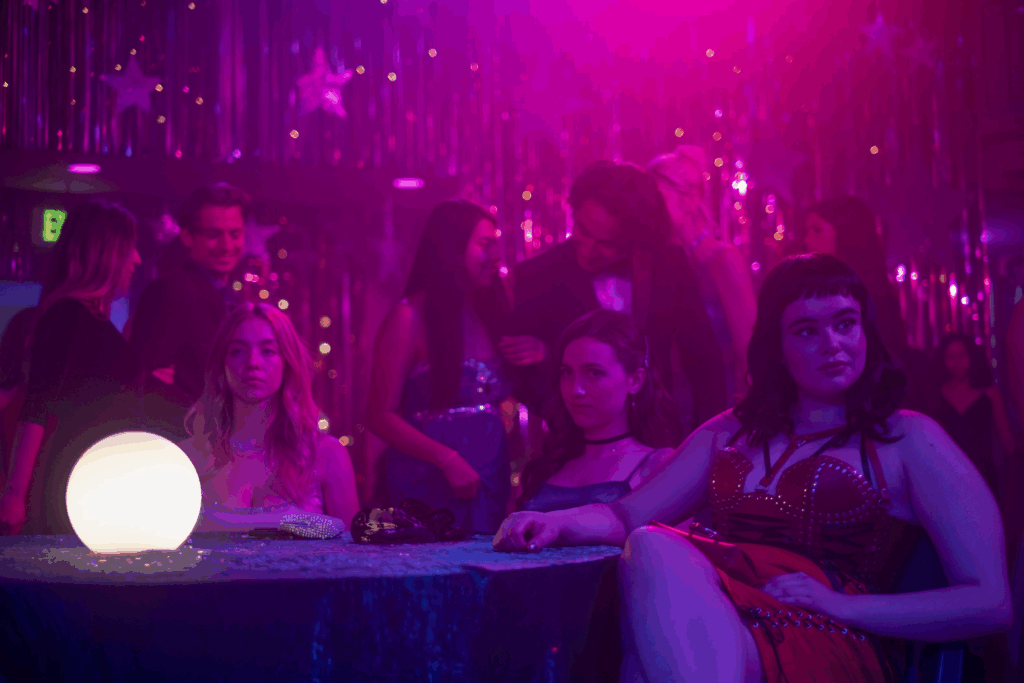
When Euphoria premiered in 2019, it upended the teen drama format. The series addressed drug addiction, sexual violence, and identity crises with graphic intensity, featuring characters who explored fluid sexuality and transgender experiences that were still rare in mainstream television.
Jules Vaughn, a transgender character portrayed by Hunter Schafer, became a cultural reference point for trans teens, while Rue’s struggle with opioid addiction offered a harrowing look at substance abuse. The show provoked national conversations by confronting topics traditional media often avoided, simultaneously shocking many parents and resonating deeply with Gen Z audiences.
What made Euphoria especially striking was its dissonance with real-world trends. While the show depicted frequent and dangerous teen drug use, national data showed the opposite: substance use among U.S. high school students had dropped significantly by as much as 30% for certain drugs over the previous two decades, reaching historic lows by the early 2020s. Euphoria portrayed a world that felt emotionally real but was statistically becoming less common.
Season 2: The Disconnect Between Euphoria and Teen Reality
Season 2 escalated everything controversial about the first season. Rue’s withdrawal episode became appointment television, while storylines explored deeper trauma and toxic relationship dynamics. The series sparked fierce debates about representation versus glorification.
Organizations like D.A.R.E. criticized Euphoria for choosing to “misguidedly glorify and erroneously depict high school student drug use, addiction, anonymous sex, violence, and other destructive behaviors as common and widespread”⁷. Conservative groups called for cancellation.
Yet the disconnect between screen and reality remained stark. While Euphoria portrayed frequent sexual activity, CDC data revealed only 40% of high school students report having had sex down 8% since 2007⁸. Today’s teenagers are actually reporting having less sex than previous generations, making the show’s charged storylines more cultural anxiety than documentary truth.
The one area where Euphoria aligned with reality was mental health. Anxiety, depression, and eating disorders among teenagers have spiked, particularly post-COVID. The show’s honest depiction of psychological struggles earned praise from mental health professionals for reducing stigma⁹.
The Lingering Influence of Euphoria
During the extended hiatus, something remarkable happened: Euphoria’s influence grew stronger without new content. About 80% of teens regularly encounter Euphoria-related content on TikTok, Instagram, and YouTube¹⁰, keeping the series’ themes in constant cultural circulation.
Mental health professionals began reporting that Euphoria references had become commonplace in therapy sessions. Teenagers used the show’s vocabulary to discuss identity, relationships, and trauma topics they previously struggled to articulate¹¹. The series created a shared language for difficult conversations.
The show broke new ground in LGBTQ+ representation, providing visibility for sexual and gender minorities often absent from mainstream media. Characters exploring fluid sexuality offered validation for young people questioning traditional labels, creating measurable positive impact alongside the controversies.
However, this influence came with concerning trends. The show’s hyper-stylized aesthetic contributed to body image issues, while social media trends inspired by Euphoria often emphasized inappropriate sexualized presentations for younger viewers.
Global Reactions to Euphoria: “Dark” and “Depraved”
Euphoria’s cultural impact created sharp international divisions. While critics argued the series normalized dangerous behaviors, supporters praised its unflinching exploration of traditionally taboo topics. The Parents Television and Media Council called it “dark, depraved, degenerate and nihilistic”¹², while advocates credited it with opening crucial conversations about identity and trauma.
Different countries responded with varying content warnings and age restrictions, highlighting global differences in approaches to sensitive media. The series sparked debates about media responsibility that extended far beyond entertainment criticism.
Season 3: Carrying Unprecedented Weight
Season 3 faces challenges no teen show has encountered before. The audience has literally grown up during the hiatus; original viewers have graduated to college while new fans discovered the show through social media clips. This generational shift demands evolved storytelling while maintaining the raw honesty that created cultural resonance.
Creator Sam Levinson has described Season 3 as a “film noir,” suggesting mature themes as characters navigate post-high school life¹³. Zendaya has expressed interest in exploring Rue “closer to the other side” of her addiction journey¹⁴, hinting at more hopeful storylines.
Cloud’s absence will profoundly impact the emotional landscape. How the series handles Fezco’s storyline whether through character death, departure, or other narrative choices will set the tone for this new chapter. His real-life struggle with substance abuse, mirroring the show’s central themes, adds complexity to already heavy subject matter.
The upcoming season carries unprecedented cultural responsibility. What began as shocking entertainment has evolved into a catalyst for generational conversations about sexuality, identity, and mental health. Season 3 must honor both its entertainment mission and its unexpected role as cultural touchstone.
Looking Forward: The Real Test
As the 2026 premiere approaches, Euphoria has already achieved something remarkable: creating space for conversations about topics previous generations struggled to discuss openly. The series permanently altered how young people encounter and process complex emotional and sexual themes.
The real test for Season 3 won’t be ratings or awards; it’ll be whether the show can demonstrate character growth and healthier relationship dynamics while maintaining the authenticity that resonated with audiences. Mental health professionals hope storylines will model positive development without losing dramatic impact.
Whatever direction Levinson chooses, Euphoria’s legacy is secure. The show sparked honest dialogue about teenage sexuality, identity, and mental health when such conversations were desperately needed. For a generation that came of age watching Rue Bennett’s struggles, the upcoming season represents both nostalgic return and mature evolution.
The question isn’t whether Euphoria will continue influencing teenage culture, it’s whether Season 3 can prove that provocative television can spark important conversations without sacrificing dramatic power. For millions of viewers who found pieces of themselves in East Highland High’s chaotic hallways, the stakes couldn’t be higher.
References
- Deadline. (2024, July 12). ‘Euphoria’: Production on Season 3 to start in January 2025 with main cast returning. https://deadline.com/2024/07/euphoria-production-season-3-start-january-2025-main-cast-returning-1236008587/
- Rolling Stone. (2025, March 7). Delays, a rumored cancelation, and cast shakeups: What we know about ‘Euphoria’ Season 3. https://www.rollingstone.com/tv-movies/tv-movie-news/euphoria-season-three-everything-we-know-1235191793/
- Variety. (2024, July 12). ‘Euphoria’ Season 3 to begin filming in January 2025. https://variety.com/2024/tv/news/euphoria-season-3-start-of-production-hbo-cast-1236069005/
- Deadline. (2025, February 12). ‘Euphoria’ Season 3 production is underway. https://deadline.com/2025/02/euphoria-season-3-production-underway-1236284229/
- Macintosh, P. (2022). Transgressive TV: Euphoria, HBO, and a new trans representation. GLQ: A Journal of Lesbian and Gay Studies, 28(4), 563-592. https://doi.org/10.3998/gs.1550
- Edina Zephyrus. (n.d.). “Euphoria’s” impacts and implications. https://edinazephyrus.com/euphorias-impacts-and-implications/
- NBC News. (2022, January 26). D.A.R.E. says HBO’s ‘Euphoria’ glamorizes drug use, sex and violence. https://www.nbcnews.com/pop-culture/pop-culture-news/dre-says-hbos-euphoria-glamorizes-drug-use-sex-violence-rcna13631
- Men’s Health. (2019, June 18). What HBO’s Euphoria gets right (and wrong) about teen sex and drugs. https://www.menshealth.com/entertainment/a28073946/euphoria-drugs-sex-teenagers/
- JCFS Chicago. (n.d.). New HBO show, “Euphoria,” shines a stark light on adolescent issues. https://www.jcfs.org/response/blog/new-hbo-show-euphoria-shines-stark-light-adolescent-issues
- Screenagers. (n.d.). Teens talk about HBO’s Euphoria. https://www.screenagersmovie.com/blog/teens-talk-about-hbos-euphoria
- JCFS Chicago. (n.d.). New HBO show, “Euphoria,” shines a stark light on adolescent issues. https://www.jcfs.org/response/blog/new-hbo-show-euphoria-shines-stark-light-adolescent-issues
- Wikipedia. (2025). Euphoria (American TV series). https://en.wikipedia.org/wiki/Euphoria_(American_TV_series)
- People. (n.d.). ‘Euphoria’ Season 3: All about the HBO drama’s long-awaited return. https://people.com/tv/euphoria-season-3-everything-to-know/
- People. (n.d.). ‘Euphoria’ Season 3: All about the HBO drama’s long-awaited return. https://people.com/tv/euphoria-season-3-everything-to-know/