
Zygote is the single-celled organism formed immediately following fertilization when a sperm cell successfully penetrates and fuses with an egg cell (ovum), creating the first diploid cell of a new individual organism. This totipotent cell contains the complete genetic blueprint from both parents, with 23 chromosomes from the sperm combining with 23 chromosomes from the egg to establish the full 46-chromosome human genome. The zygote represents the earliest stage of embryonic development and possesses unique developmental potential, as it can differentiate into any cell type needed to form a complete organism, including both embryonic tissues and extraembryonic structures like the placenta.
Zygote
| |
|---|---|
| Category | Developmental Biology, Embryology, Reproduction |
| Research Fields | Embryology, Reproductive Biology, Genetics, Cell Biology |
| Also known as: | Fertilized ovum, conception product, diploid zygote |
| Size: | ~100-120 micrometers diameter |
| Chromosome number: | 46 chromosomes (diploid, 2n) |
| Formation time: | 12-24 hours post-fertilization |
| Duration: | ~24-30 hours before first cleavage |
| Developmental potential: | Totipotent (can form entire organism) |
| Location: | Fallopian tube (ampulla region) |
| Sources: | Developmental Biology, Human Reproduction, ACOG, ASU Embryo Project |
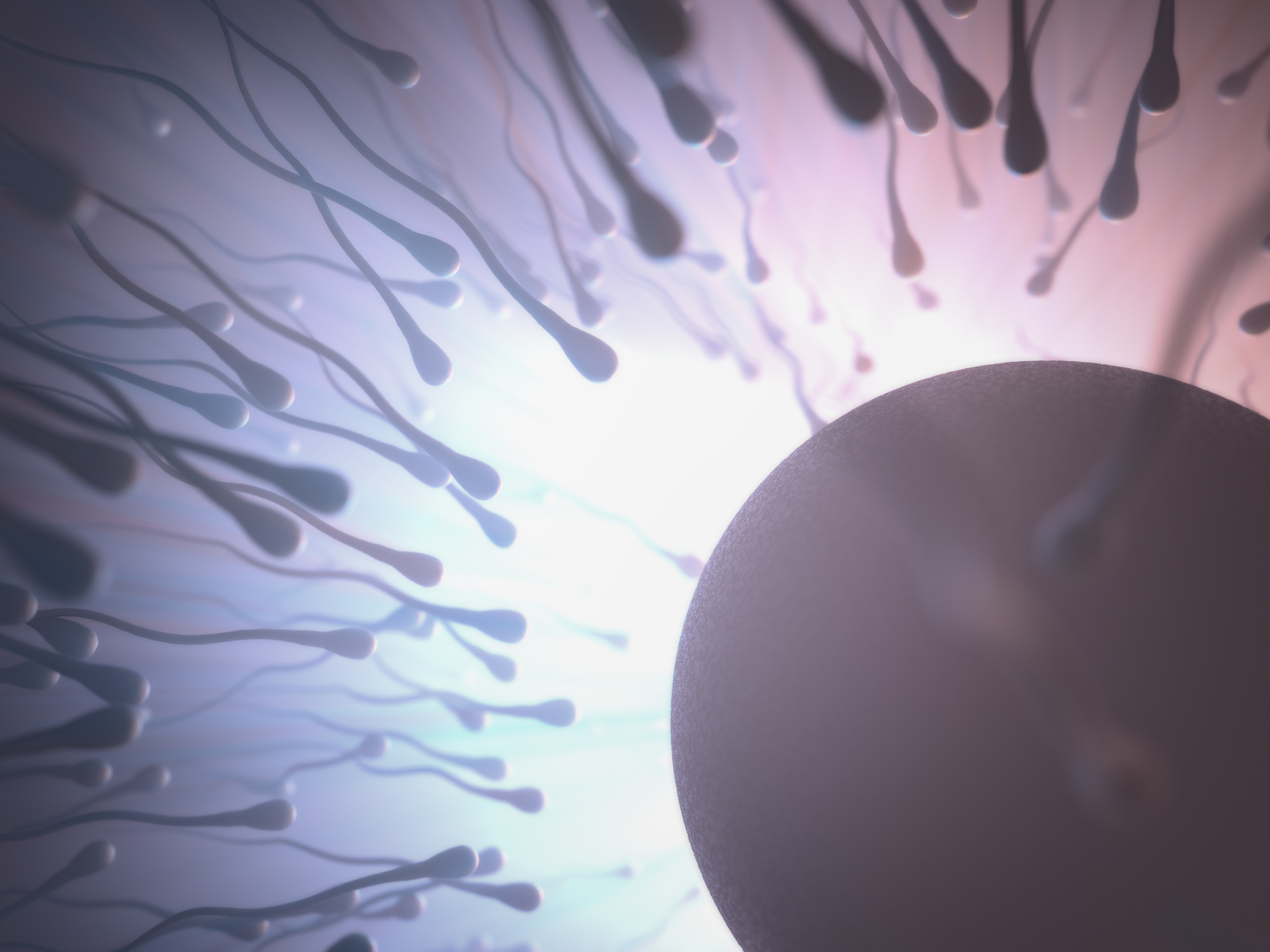
The zygote stage is characterized by intense cellular activity including completion of meiosis II in the egg, fusion of male and female pronuclei, DNA replication, and preparation for the first mitotic division (cleavage). During this critical period, the zygote must successfully integrate genetic material from both parents, establish proper gene expression patterns, and initiate the complex developmental program that will guide formation of tissues, organs, and body systems over the following months.
Following formation, the zygote begins a series of rapid cell divisions called cleavage while traveling down the fallopian tube toward the uterus. These early divisions create increasingly smaller cells called blastomeres without increasing overall embryo size, eventually forming a hollow ball of cells called a blastocyst that implants in the uterine wall approximately 6-12 days after fertilization. Early pregnancy research continues revealing the complex molecular mechanisms governing zygotic development and the critical factors that determine successful progression to established pregnancy.
History
Ancient Understanding
Ancient Greek philosophers including Aristotle theorized about reproduction and development, proposing that new organisms arose from the combination of male and female contributions. However, limited technology prevented direct observation of fertilization processes or understanding of cellular mechanisms underlying reproduction.
17th-18th Century: Microscopic Discoveries
The development of early microscopes enabled scientists like Antonie van Leeuwenhoek to observe sperm cells for the first time in the 1670s. This period saw competing theories about reproduction, including preformationism (the idea that organisms developed from pre-existing miniature forms) versus epigenesis (development from undifferentiated material).
19th Century: Cell Theory and Fertilization
Advances in microscopy and the establishment of cell theory led to crucial discoveries about fertilization. Scientists observed the fusion of sperm and egg cells, recognized the cellular basis of reproduction, and began understanding that fertilization involved the combination of genetic material from both parents.
Late 19th Century: Chromosomal Discovery
The discovery of chromosomes and their behavior during cell division revolutionized understanding of inheritance and development. Researchers identified the reduction division (meiosis) that produces gametes and recognized that fertilization restores the full chromosome number in the zygote.
Early 20th Century: Genetics Integration
The rediscovery of Mendel’s laws and development of genetics provided the theoretical framework for understanding how traits are inherited through zygotic formation. This period established the connection between chromosomal behavior, genetic inheritance, and zygotic development.
Mid-20th Century: Molecular Biology
The discovery of DNA structure and the development of molecular biology techniques enabled detailed study of gene expression during early development. Researchers began understanding how zygotic genes are activated and how developmental programs are initiated.
Modern Era: Advanced Reproductive Technologies
Contemporary research benefits from advanced imaging techniques, molecular biology tools, and assisted reproductive technologies that allow direct observation and manipulation of zygotes. Current work focuses on gene expression patterns, epigenetic modifications, and factors affecting developmental competence.
Formation and Fertilization Process
Sperm-Egg Recognition
Fertilization begins when sperm encounter the egg in the ampulla region of the fallopian tube. Sperm must undergo capacitation (biochemical changes enabling fertilization) and successfully bind to the zona pellucida, a glycoprotein layer surrounding the egg, through species-specific recognition mechanisms.
Sperm Penetration
After zona pellucida binding, sperm undergo the acrosome reaction, releasing enzymes that digest through the zona pellucida and allow sperm to reach the egg plasma membrane. Only one sperm typically penetrates the egg membrane, triggering immediate changes that prevent additional sperm entry (polyspermy block).
Pronuclear Formation
Following sperm entry, both sperm and egg nuclei (now called pronuclei) swell and move toward the center of the cell. The egg completes meiosis II, extruding the second polar body, while sperm DNA decondenses. Both pronuclei replicate their DNA in preparation for fusion.
Pronuclear Fusion
Approximately 12-18 hours after sperm penetration, the male and female pronuclei fuse, combining their genetic material to create the diploid zygotic nucleus. This process, called syngamy, marks the completion of fertilization and the official beginning of zygotic development.
Cellular and Molecular Characteristics
Chromosomal Composition
The human zygote contains 46 chromosomes arranged in 23 pairs, with one chromosome from each pair contributed by each parent. This diploid chromosome number (2n = 46) will be maintained in all somatic cells throughout the organism’s development, while gametes contain the haploid number (n = 23).
Cytoplasmic Organization
The zygotic cytoplasm contains maternally inherited components including mitochondria, ribosomes, mRNA, proteins, and other cellular machinery necessary for early development. This maternal contribution supports cellular function until zygotic gene expression begins, typically around the 4-8 cell stage.
Gene Expression Transition
Early zygotic development involves a crucial transition from reliance on maternally stored mRNAs and proteins to activation of the zygotic genome. This maternal-to-zygotic transition (MZT) occurs gradually over the first several cell divisions and represents a critical checkpoint in developmental success.
Epigenetic Programming
The zygote undergoes extensive epigenetic reprogramming, including DNA methylation changes and histone modifications that establish developmental competence. Epigenetic research reveals how environmental factors and parental experiences can influence zygotic programming and subsequent development.
Developmental Potential and Totipotency
Totipotent Characteristics
The zygote is totipotent, meaning it has the capacity to develop into any cell type needed to form a complete organism, including both embryonic tissues and extraembryonic structures like the placenta and umbilical cord. This represents the highest level of developmental potential in biological systems.
Cleavage Divisions
Following zygote formation, rapid mitotic divisions called cleavage create progressively smaller cells (blastomeres) without increasing overall embryo size. These divisions distribute cytoplasmic components and begin the process of cellular specialization that will eventually lead to tissue and organ formation.
Blastomere Potential
During early cleavage divisions, individual blastomeres retain significant developmental potential, though this gradually becomes restricted. The first few cleavage divisions produce cells that can still develop into complete organisms if separated, demonstrating retained totipotency.
Developmental Programming
The zygotic stage establishes fundamental developmental programs through gene expression patterns, cell cycle regulation, and metabolic organization. These early programming events determine whether development will proceed successfully and influence lifelong health outcomes.
Journey Through Reproductive Tract
Fallopian Tube Transit
The newly formed zygote begins its journey down the fallopian tube, propelled by ciliary action and muscular contractions. This transit takes approximately 3-4 days, during which time the zygote undergoes its first several cleavage divisions while traveling toward the uterus.
Nutritional Support
During fallopian tube transit, the developing embryo receives nutritional support from tubal secretions rich in proteins, carbohydrates, and other essential nutrients. The zona pellucida surrounding the embryo regulates exchange of nutrients and waste products during this critical period.
Timing Considerations
Proper timing of embryonic development relative to reproductive tract conditions is crucial for successful pregnancy. The embryo must reach the appropriate developmental stage (blastocyst) when it arrives in the uterus to achieve successful implantation.
Environmental Influences
Fallopian tube environment affects embryonic development through factors including oxygen levels, pH, nutrient availability, and growth factors. Optimal tubal conditions support healthy embryonic development, while adverse conditions can lead to developmental arrest or pregnancy failure.
Genetic and Chromosomal Considerations
Parental Genetic Contribution
Each parent contributes exactly half of the zygotic genetic material through their respective gametes. This genetic combination creates a unique individual with novel gene combinations while maintaining species-specific characteristics and inheriting traits from both parents.
Chromosomal Abnormalities
Zygotes can form with chromosomal abnormalities including aneuploidy (incorrect chromosome numbers), structural rearrangements, or polyploidy (extra chromosome sets). Many chromosomally abnormal zygotes fail to develop or result in pregnancy loss, representing a natural selection mechanism.
Genetic Imprinting
Some genes in the zygote are subject to genomic imprinting, where gene expression depends on the parent of origin. These imprinted genes play crucial roles in early development and growth, with abnormal imprinting patterns associated with developmental disorders.
Mitochondrial Inheritance
Zygotes inherit mitochondria almost exclusively from the maternal egg, establishing maternal inheritance patterns for mitochondrial DNA. This maternal mitochondrial contribution provides energy production machinery essential for early embryonic development.
Developmental Milestones
First 24 Hours
The first day after fertilization involves completion of pronuclear fusion, DNA replication, and preparation for the first mitotic division. This period is critical for establishing proper gene expression patterns and preparing cellular machinery for subsequent development.
First Cleavage Division
Approximately 24-30 hours after fertilization, the zygote undergoes its first mitotic division, creating two identical blastomeres. This first cleavage marks the transition from zygote to early embryo and represents successful completion of the fertilization process.
Early Cleavage Pattern
Subsequent cleavage divisions occur approximately every 12-24 hours, creating 4-cell, 8-cell, and eventually morula (16+ cells) stages. These divisions follow specific spatial and temporal patterns that establish the foundation for later developmental organization.
Compaction and Differentiation
Around the 8-cell stage, blastomeres undergo compaction, forming tight junctions and beginning the first cellular differentiation processes. This represents the beginning of distinct cell lineage formation that will eventually give rise to all body tissues.
Clinical Significance
Assisted Reproductive Technology
Understanding zygotic development is crucial for assisted reproductive technologies including in vitro fertilization (IVF), where zygotes are created and cultured in laboratory conditions before embryo transfer. Zygotic assessment helps predict developmental success and pregnancy outcomes.
Preimplantation Genetic Testing
Modern reproductive medicine can test zygotes and early embryos for genetic abnormalities before implantation, allowing identification of chromosomally normal embryos for transfer. This testing can reduce pregnancy loss and birth defects in high-risk couples.
Fertility Assessment
Zygotic formation success rates help assess fertility status and guide treatment decisions. Fertility research continues improving methods for evaluating zygotic competence and predicting pregnancy success.
Early Pregnancy Detection
Understanding zygotic development timing helps interpret early pregnancy tests and determine appropriate timing for medical interventions. Knowledge of normal developmental milestones guides clinical decision-making during early pregnancy.
Research Applications
Developmental Biology Studies
Zygotes serve as important models for studying fundamental developmental processes including gene expression regulation, cell cycle control, and epigenetic programming. These studies advance understanding of normal development and developmental disorders.
Stem Cell Research
Zygotic totipotency provides insights for stem cell biology and regenerative medicine applications. Understanding how zygotes maintain developmental potential informs efforts to reprogram adult cells and develop therapeutic applications.
Genetic Research
Zygotic studies contribute to understanding genetic inheritance patterns, gene-environment interactions, and factors affecting developmental outcomes. This research advances knowledge of genetic diseases and potential therapeutic interventions.
Evolutionary Studies
Comparative studies of zygotic development across species reveal evolutionary relationships and constraints on developmental processes. These investigations contribute to understanding how developmental mechanisms have evolved and diversified.
Ethical and Legal Considerations
Moral Status Debates
The zygote’s status in ethical and legal frameworks varies across cultures, religions, and legal systems. Questions about when personhood begins, moral consideration of early embryos, and research ethics continue generating debate and policy development.
Research Ethics
Research involving human zygotes raises ethical questions about embryo destruction, genetic manipulation, and appropriate limits on experimental interventions. Ethical guidelines attempt to balance scientific advancement with moral considerations.
Reproductive Rights
Zygotic formation connects to broader reproductive rights issues including access to contraception, fertility treatments, and pregnancy termination. Different perspectives on zygotic moral status influence policy positions on these issues.
Legal Frameworks
Legal systems variably define when life begins and what protections apply to zygotes and early embryos. Reproductive law research examines how legal frameworks balance competing interests and evolving scientific understanding.
Environmental and Health Factors
Maternal Health Influences
Maternal nutrition, health status, and environmental exposures can affect zygotic development and long-term health outcomes. Optimal maternal health before and during early pregnancy supports healthy zygotic development and reduces developmental risks.
Paternal Contributions
Paternal health, age, and environmental exposures also influence zygotic quality through effects on sperm DNA integrity, epigenetic programming, and chromosomal stability. Both parents contribute to zygotic developmental potential through their respective health status.
Environmental Toxins
Exposure to environmental toxins, radiation, or harmful chemicals can damage gametes and affect zygotic development. Understanding these environmental influences helps develop strategies for protecting reproductive health and optimizing pregnancy outcomes.
Lifestyle Factors
Parental lifestyle factors including diet, exercise, stress levels, and substance use can influence zygotic development through effects on gamete quality and early embryonic environment. Preconception health optimization supports successful zygotic development.
Research Landscape
Advanced Imaging Technologies
Developing technologies may allow real-time monitoring of zygotic development with minimal disturbance, providing new insights into normal and abnormal developmental processes. These tools could improve fertility treatment success rates.
Gene Editing Applications
Emerging gene editing technologies raise possibilities for correcting genetic defects in zygotes, though significant ethical and safety concerns remain. Research continues exploring potential therapeutic applications while addressing safety and ethical considerations.
Artificial Gametes
Research into creating artificial gametes from stem cells could revolutionize reproductive medicine by providing unlimited gamete sources for fertility treatments. This technology could enable new approaches to treating infertility and genetic diseases.
Developmental Programming Research
Advanced molecular techniques continue revealing how early zygotic experiences influence lifelong health outcomes through developmental programming. This research may lead to interventions that optimize health across the lifespan.
Frequently Asked Questions
When exactly does a zygote form?
A zygote forms when the male and female pronuclei fuse, typically 12-18 hours after sperm penetration of the egg. This process, called fertilization or conception, marks the beginning of a genetically unique organism with its own DNA profile distinct from either parent.
How long does the zygote stage last?
The zygote stage lasts approximately 24-30 hours, from pronuclear fusion until the first cleavage division creates a 2-cell embryo. During this time, the zygote completes DNA replication and prepares for its first mitotic division.
Where does zygote formation occur?
Zygote formation typically occurs in the ampulla region of the fallopian tube, the widest part where sperm and egg most commonly meet. The zygote then travels down the fallopian tube toward the uterus over the following 3-4 days.
What makes a zygote totipotent?
Totipotency means the zygote can develop into any cell type needed to form a complete organism, including both embryonic tissues and supporting structures like the placenta. This capability gradually becomes restricted as development progresses and cells become more specialized.
Can zygotes be created artificially?
Yes, zygotes can be created through in vitro fertilization (IVF), where sperm and eggs are combined in laboratory conditions. These artificially created zygotes can develop normally when transferred to the uterus or can be used for research purposes.
What factors affect zygote survival?
Zygote survival depends on genetic normalcy, proper fertilization process completion, adequate maternal nutrition, optimal hormonal environment, absence of toxic exposures, and successful implantation timing. Many zygotes naturally fail to develop due to chromosomal abnormalities or other developmental problems.
How is zygote quality assessed?
In clinical settings, zygote quality is assessed by examining pronuclear appearance, timing of developmental milestones, symmetry of cell divisions, and absence of chromosomal abnormalities through genetic testing. These assessments help predict developmental success in fertility treatments.