
Yeast infection is a common fungal infection caused by overgrowth of Candida species, most frequently Candida albicans, which disrupts the normal balance of microorganisms in affected body areas. Also known as candidiasis or thrush, yeast infections most commonly affect the vagina in women but can also occur in the mouth, throat, skin folds, and other warm, moist areas of the body. Vaginal yeast infections affect approximately 75% of women at least once during their lifetime, with symptoms including thick white discharge, intense itching, burning, and irritation that can significantly impact quality of life and sexual comfort.
Yeast Infection
| |
|---|---|
| Category | Infectious Diseases, Women’s Health, Dermatology |
| Research Fields | Mycology, Gynecology, Infectious Disease, Microbiology |
| Also known as: | Candidiasis, thrush, vulvovaginal candidiasis (VVC) |
| Primary causative organism: | Candida albicans (85-95% of cases) |
| Lifetime prevalence: | ~75% of women experience at least one episode |
| Recurrent infections: | ~45% experience two or more episodes |
| Common symptoms: | Itching, burning, thick white discharge |
| Diagnosis methods: | Clinical examination, microscopy, culture, rapid tests |
| Treatment duration: | 1-7 days for acute infections |
| Sources: | CDC, ACOG, Clinical Microbiology Reviews, StatPearls |
Candida species are normally present in small amounts in the vaginal microbiome, mouth, digestive tract, and on skin surfaces without causing problems. Yeast infections develop when factors disrupt the normal microbial balance, allowing Candida to multiply excessively and cause inflammatory symptoms. Risk factors include antibiotic use, diabetes, pregnancy, immunosuppression, hormonal changes, and practices that alter the vaginal environment such as douching or wearing tight, non-breathable clothing.
Treatment typically involves antifungal medications available in both over-the-counter and prescription formulations, including topical creams, suppositories, and oral medications. While most yeast infections respond well to treatment and resolve within days, some individuals experience recurrent infections requiring longer-term management strategies. Vaginal health education emphasizes the importance of maintaining natural microbial balance through appropriate hygiene practices, avoiding unnecessary antibiotic use, and recognizing symptoms that warrant medical evaluation.
History
Ancient Recognition
Historical medical texts from ancient Egypt, Greece, and Rome documented symptoms consistent with yeast infections, though the causative organism was unknown. Ancient physicians described conditions involving genital itching, unusual discharge, and oral lesions that modern medicine recognizes as likely candidiasis manifestations.
Medieval and Renaissance Period
Medieval medical knowledge included observations of thrush in infants and genital symptoms in women, though understanding remained limited to symptomatic descriptions. Renaissance anatomists and physicians began more systematic documentation of these conditions while developing early topical treatments based on herbal remedies.
19th Century: Microscopic Discovery
The invention of improved microscopes in the 1800s enabled identification of Candida organisms in clinical specimens. Researchers began recognizing the relationship between fungal overgrowth and characteristic symptoms, laying groundwork for understanding yeast infections as infectious rather than purely constitutional conditions.
Early 20th Century: Mycological Advances
Development of fungal culture techniques and improved microscopy allowed better characterization of different Candida species and their role in human disease. This period established the scientific foundation for understanding candidiasis as a distinct medical condition with identifiable causative organisms.
Mid-20th Century: Antifungal Development
The discovery and development of antifungal medications revolutionized yeast infection treatment. Early antifungals like nystatin provided effective treatment options, while understanding of predisposing factors helped develop prevention strategies and risk reduction approaches.
1980s-1990s: Over-the-Counter Revolution
Regulatory approval of over-the-counter antifungal treatments made yeast infection management more accessible while reducing healthcare costs. This period also saw improved understanding of recurrent infections and development of maintenance therapy approaches for complicated cases.
Modern Era: Molecular Diagnostics and Resistance
Contemporary research focuses on rapid diagnostic techniques, antifungal resistance patterns, probiotic therapies, and personalized treatment approaches based on individual risk factors and Candida species identification. Modern understanding emphasizes the complex interactions between host immunity, microbiome balance, and environmental factors.
Causative Organisms and Microbiology
Candida albicans
Candida albicans causes 85-95% of vaginal yeast infections and is the most thoroughly studied species. This organism can exist in both yeast and hyphal forms, with the hyphal form associated with tissue invasion and symptomatic infections. C. albicans has various virulence factors including adherence proteins and enzymes that enable tissue colonization.
Non-albicans Species
Non-albicans Candida species including C. glabrata, C. parapsilosis, C. tropicalis, and C. krusei account for 5-15% of vaginal yeast infections. These species may be more resistant to common antifungal treatments and are increasingly recognized in recurrent or treatment-resistant infections.
Normal Candida Colonization
Candida species are part of the normal human microbiome, present in the mouth, digestive tract, vagina, and on skin in 40-80% of healthy individuals without causing symptoms. Normal colonization involves small numbers of organisms balanced by beneficial bacteria and host immune responses.
Pathogenesis and Virulence
Yeast infection development involves complex interactions between Candida virulence factors, host immune responses, and environmental conditions. Key pathogenic mechanisms include adherence to epithelial cells, biofilm formation, tissue invasion through hyphal growth, and production of enzymes and toxins that damage host tissues.
Types and Clinical Presentations
Vulvovaginal Candidiasis
Vaginal yeast infections are the most common form, characterized by vulvar itching, burning, irritation, and thick white “cottage cheese-like” discharge. Symptoms may worsen before menstruation and can include pain during urination or sexual intercourse, external genital swelling, and sometimes a mild yeasty odor.
Oral Thrush
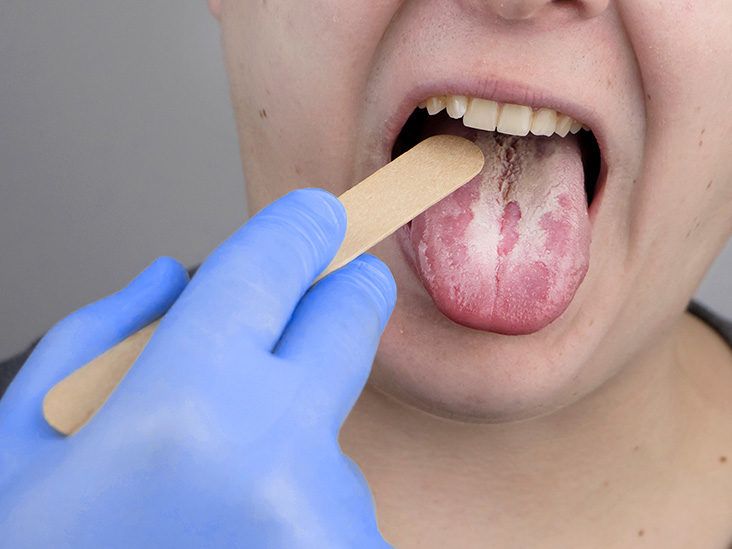
Oral candidiasis presents as white patches on the tongue, inner cheeks, gums, or throat that may be painful and bleed when scraped. This form is more common in infants, elderly individuals, and those with compromised immune systems, diabetes, or who use inhaled corticosteroids.
Cutaneous Candidiasis
Skin yeast infections typically occur in warm, moist areas including skin folds, under breasts, in the groin area, and between toes. Symptoms include red, scaly rashes with satellite lesions, itching, and sometimes secondary bacterial infection from scratching.
Systemic Candidiasis
Invasive candidiasis affects internal organs and bloodstream, primarily occurring in hospitalized patients with serious underlying conditions. This rare but serious form requires immediate medical treatment and can be life-threatening without appropriate antifungal therapy.
Risk Factors and Predisposing Conditions
Antibiotic Use
Antibiotic treatment disrupts normal vaginal bacterial flora, particularly beneficial Lactobacillus species that help maintain acidic pH and compete with Candida for nutrients. Broad-spectrum antibiotics pose the highest risk, with yeast infections occurring in 10-25% of women during or shortly after antibiotic courses.
Hormonal Factors
Estrogen fluctuations affect vaginal environment and Candida growth, with increased infection risk during pregnancy, hormonal contraceptive use, hormone replacement therapy, and certain phases of the menstrual cycle. High estrogen levels promote glycogen production in vaginal tissues, providing nutrients that support Candida growth.
Diabetes and Blood Sugar
Uncontrolled diabetes increases yeast infection risk through elevated blood and tissue glucose levels that promote Candida growth, impaired immune function, and altered vaginal pH. Women with diabetes experience yeast infections 2-3 times more frequently than those without diabetes.
Immunosuppression
Conditions or medications that suppress immune function increase susceptibility to yeast infections including HIV/AIDS, cancer treatments, corticosteroid use, and autoimmune disorders. Immune system research demonstrates the critical role of intact cellular immunity in preventing Candida overgrowth.
Symptoms and Clinical Recognition
Primary Vaginal Symptoms
Classic vaginal yeast infection symptoms include intense vulvar itching that may worsen at night, burning sensation during urination, thick white discharge resembling cottage cheese, and vulvar swelling or redness. These symptoms typically develop gradually and may fluctuate in intensity.
Associated Discomfort
Additional symptoms can include pain during sexual intercourse (dyspareunia), external genital soreness or irritation, minor bleeding from scratching irritated tissues, and general pelvic discomfort. Some women experience lower abdominal or pelvic pressure, though this is less common.
Atypical Presentations
Not all yeast infections present with classic symptoms, and some women may experience minimal discharge, predominantly burning without itching, or symptoms that mimic other conditions like bacterial vaginosis or sexually transmitted infections. Recurrent infections may present with less severe but persistent symptoms.
Symptom Severity Variation
Symptom intensity varies significantly among individuals and episodes, ranging from mild irritation that doesn’t interfere with daily activities to severe discomfort that affects sleep, work, and sexual function. Factors affecting severity include Candida species, individual immune response, and concurrent health conditions.
Diagnosis and Testing
Clinical Examination
Healthcare providers diagnose yeast infections through pelvic examination revealing characteristic findings including vulvar erythema and edema, thick white vaginal discharge, and sometimes vaginal wall inflammation. Clinical presentation combined with microscopic examination provides reliable diagnosis in most cases.
Microscopic Analysis
Direct microscopy of vaginal discharge mixed with potassium hydroxide (KOH prep) reveals Candida yeast cells and pseudohyphae, providing immediate diagnostic confirmation. This simple, inexpensive test can be performed in clinical settings with results available within minutes.
Culture Methods
Fungal cultures identify specific Candida species and test antifungal sensitivity, particularly useful for recurrent infections, treatment failures, or suspected non-albicans species. Cultures require 2-5 days for results but provide definitive species identification and resistance information.
Rapid Diagnostic Tests
Newer rapid tests use DNA or antigen detection methods to diagnose yeast infections within hours, offering faster results than cultures while providing species identification. These tests are increasingly available but may not be cost-effective for routine uncomplicated infections.
Treatment Approaches
Topical Antifungals
Topical treatments include over-the-counter creams, ointments, and suppositories containing ingredients like miconazole, clotrimazole, or tioconazole. These medications are applied directly to affected areas for 1-7 days depending on formulation strength, providing effective treatment for uncomplicated infections with minimal systemic absorption.
Oral Medications
Oral antifungal medications, primarily fluconazole, offer convenient single-dose or short-course treatment for vaginal yeast infections. Oral treatments may be preferred for severe symptoms, recurrent infections, or when topical application is impractical, though they carry slightly higher risk of side effects.
Prescription vs. Over-the-Counter
Many effective antifungal treatments are available without prescription, allowing self-treatment of typical yeast infections. However, prescription medications may be necessary for severe infections, non-albicans species, treatment resistance, or recurrent episodes requiring specialized management approaches.
Treatment Duration and Follow-up
Most uncomplicated yeast infections resolve within 3-7 days of appropriate treatment, though symptom relief often begins within 24-48 hours. Follow-up is generally unnecessary for typical infections that respond to treatment, but persistent or recurrent symptoms warrant medical evaluation.
Recurrent and Complicated Infections
Recurrent Vulvovaginal Candidiasis
Recurrent VVC is defined as four or more symptomatic episodes within 12 months, affecting approximately 5-8% of women. This condition requires specialized evaluation to identify predisposing factors, confirm diagnosis, and develop long-term management strategies including maintenance antifungal therapy.
Risk Factors for Recurrence
Factors associated with recurrent infections include diabetes, immunosuppression, genetic predisposition, behavioral factors like frequent antibiotic use, and possibly certain contraceptive methods. Some women have persistent Candida colonization that predisposes to symptomatic episodes despite treatment.
Maintenance Therapy
Long-term management of recurrent infections may involve suppressive antifungal therapy using weekly or monthly oral fluconazole, lifestyle modifications, probiotic supplementation, and treatment of underlying predisposing conditions. Recurrent infection research continues developing personalized approaches for difficult cases.
Non-albicans Complications
Non-albicans Candida species are more likely to cause recurrent infections and may show resistance to standard antifungal treatments. These cases require culture identification and sensitivity testing to guide appropriate therapy, sometimes necessitating longer treatment courses or alternative medications.
Prevention Strategies
Lifestyle Modifications
Preventive measures include wearing breathable cotton underwear, avoiding tight-fitting clothing, changing out of wet swimwear or exercise clothes promptly, and maintaining good hygiene without douching or using harsh soaps in the genital area. These practices help maintain normal vaginal environment and reduce infection risk.
Dietary Considerations
While scientific evidence is limited, some women report reduced infection frequency with dietary modifications including limiting sugar intake, avoiding excessive refined carbohydrates, and consuming probiotic-rich foods. Maintaining stable blood sugar levels is particularly important for women with diabetes.
Antibiotic Stewardship
Judicious antibiotic use, taking antibiotics only when medically necessary, completing prescribed courses, and discussing probiotic supplementation with healthcare providers during antibiotic treatment can help maintain normal vaginal flora and reduce yeast infection risk.
Probiotic Approaches
Some research suggests that probiotics containing Lactobacillus species may help prevent recurrent yeast infections by restoring normal vaginal flora, though evidence remains mixed. Probiotic supplementation may be most beneficial for women with recurrent infections or those requiring frequent antibiotic treatment.
Differential Diagnosis
Bacterial Vaginosis
Bacterial vaginosis can cause vaginal discharge and irritation but typically produces thin, grayish discharge with fishy odor rather than thick white discharge characteristic of yeast infections. BV involves bacterial overgrowth rather than fungal infection and requires different treatment approaches.
Sexually Transmitted Infections
Certain STIs including trichomoniasis, chlamydia, and gonorrhea can cause symptoms similar to yeast infections including discharge, itching, and burning. Accurate diagnosis is important since STIs require antibiotic treatment and partner notification, while yeast infections are not sexually transmitted.
Contact Dermatitis
Allergic reactions to soaps, detergents, fabric softeners, or feminine hygiene products can cause vulvar itching and irritation resembling yeast infections. Contact dermatitis typically involves external symptoms without vaginal discharge and improves with avoidance of triggering substances.
Hormonal Changes
Vaginal atrophy from estrogen deficiency, particularly during menopause, can cause symptoms including dryness, irritation, and burning that may be confused with yeast infections. Hormonal causes require different treatment approaches including estrogen replacement or moisturizers.
Special Populations
Pregnancy
Pregnant women experience increased yeast infection risk due to hormonal changes, altered immune function, and elevated vaginal glycogen levels. Treatment during pregnancy typically involves topical antifungals, as oral medications may have pregnancy category restrictions requiring careful benefit-risk assessment.
Diabetes Management
Women with diabetes require particular attention to blood sugar control as part of yeast infection prevention and treatment. Frequent infections may indicate inadequate diabetes management and should prompt evaluation of glycemic control and diabetic care optimization.
Immunocompromised Patients
Individuals with compromised immune systems including those with HIV, cancer, or taking immunosuppressive medications may experience more frequent, severe, or treatment-resistant yeast infections requiring specialized medical management and sometimes systemic antifungal therapy.
Pediatric Considerations
Yeast infections in children, particularly oral thrush in infants or diaper candidiasis, require age-appropriate treatments and consideration of underlying predisposing factors. Vaginal yeast infections in prepubertal girls are uncommon and warrant investigation for predisposing conditions.
Research and Future Directions
Microbiome Research
Advanced microbiome analysis is revealing complex interactions between Candida, beneficial bacteria, and vaginal health. This research may lead to personalized probiotic therapies and better understanding of individual susceptibility factors that could guide prevention strategies.
Antifungal Resistance
Increasing antifungal resistance, particularly among non-albicans species, drives research into new treatment approaches including combination therapies, novel antifungal agents, and resistance prevention strategies. Understanding resistance mechanisms informs development of next-generation treatments.
Vaccine Development
Researchers are investigating Candida vaccines that could prevent recurrent infections by stimulating protective immune responses. While still experimental, vaccine approaches offer potential long-term solutions for individuals with frequent infections.
Personalized Medicine
Future approaches may include genetic testing to identify individual susceptibility factors, personalized probiotic treatments based on individual microbiome analysis, and customized prevention strategies based on personal risk profiles and infection history.
Frequently Asked Questions
How can I tell if I have a yeast infection?
Common symptoms include intense vaginal and vulvar itching, thick white discharge resembling cottage cheese, burning during urination, and vulvar redness or swelling. However, these symptoms can overlap with other conditions, so medical diagnosis is recommended, especially for first-time infections.
Can I treat a yeast infection at home?
Over-the-counter antifungal treatments are effective for typical yeast infections and can be used for self-treatment if you’ve been diagnosed with yeast infections before and recognize the symptoms. However, see a healthcare provider if symptoms are severe, don’t improve with treatment, or if you’re unsure about the diagnosis.
Are yeast infections sexually transmitted?
No, yeast infections are not sexually transmitted infections. Candida organisms are normally present in the body and overgrow when conditions favor their multiplication. However, sexual activity can sometimes trigger infections by introducing bacteria or altering vaginal pH.
Why do I keep getting yeast infections?
Recurrent infections may result from diabetes, frequent antibiotic use, hormonal changes, compromised immunity, or individual susceptibility factors. If you experience four or more infections per year, consult a healthcare provider for evaluation of underlying causes and discussion of prevention strategies.
Can men get yeast infections?
Yes, though less common than in women, men can develop yeast infections affecting the penis (balanitis), mouth, or skin folds. Male genital yeast infections may cause itching, redness, and irritation, particularly in uncircumcised men or those with diabetes.
Do probiotics help prevent yeast infections?
Some research suggests that probiotics containing Lactobacillus may help maintain healthy vaginal flora and potentially reduce infection risk, though evidence is still developing. Probiotics may be most helpful for women with recurrent infections or those taking antibiotics frequently.
When should I see a doctor for a yeast infection?
Consult a healthcare provider for your first suspected yeast infection, if over-the-counter treatments don’t work, if you have recurrent infections, if symptoms are severe, or if you experience fever, pelvic pain, or other concerning symptoms that might indicate a different condition.