
Xenophobia is the fear, prejudice, or hostility directed toward people from other countries, cultures, or ethnic backgrounds, characterized by discriminatory attitudes and behaviors toward those perceived as foreign or different. This psychological and social phenomenon manifests through various forms including cultural xenophobia (rejection of foreign customs and practices), economic xenophobia (blaming immigrants for job competition or economic problems), and political xenophobia (supporting exclusionary policies against foreign nationals). Research demonstrates that xenophobia exists on a spectrum from mild preference for familiar cultural groups to extreme hostility and violence against perceived outsiders, significantly impacting intergroup relations, immigration policies, and social cohesion in diverse societies.
Xenophobia
| |
|---|---|
| Category | Social Psychology, Sociology, Political Science |
| Research Fields | Social Psychology, Intergroup Relations, Migration Studies, Political Psychology |
| Also known as: | Anti-foreigner sentiment, nativism, ethnic prejudice |
| Etymology: | Greek: xenos (stranger) + phobos (fear) |
| Prevalence: | Variable across cultures and contexts |
| Manifestations: | Attitudes, behaviors, policies, violence |
| Related concepts: | Racism, ethnocentrism, nationalism, prejudice |
| Measurement tools: | Implicit Association Tests, survey scales, behavioral observations |
| Treatment approaches: | Intergroup contact, education, cognitive restructuring |
| Sources: | APA, Social Psychology Research, UNHCR, Pew Research |
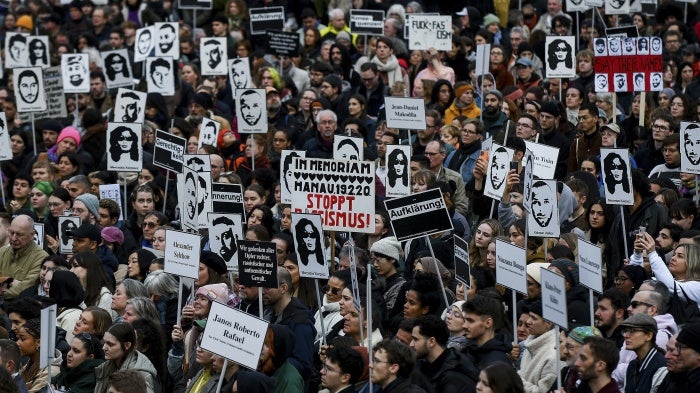
Xenophobic attitudes and behaviors stem from complex psychological mechanisms including in-group/out-group categorization, perceived threat to resources or cultural identity, and cognitive biases that favor familiar over unfamiliar stimuli. The intensity and expression of xenophobia varies significantly across individuals and societies, influenced by factors such as economic conditions, political climate, media representation, personal contact with foreign groups, and cultural values regarding diversity and inclusion.
Contemporary research reveals that xenophobia operates through both explicit conscious prejudices and implicit unconscious biases, affecting everything from hiring decisions and housing discrimination to political voting patterns and support for immigration policies. Cultural prejudice research demonstrates that while xenophobic responses may have evolutionary origins in tribal survival mechanisms, modern manifestations are largely learned through socialization and can be modified through targeted interventions promoting intergroup contact and cultural understanding.
History
Ancient and Classical Origins
Historical records from ancient civilizations document fear and suspicion of foreign peoples, though early forms of xenophobia were often intertwined with practical concerns about warfare, resource competition, and cultural preservation. Greek and Roman texts reveal complex attitudes toward barbarians and foreigners, mixing curiosity with suspicion and superiority claims.
Medieval Period: Religious and Cultural Barriers
Medieval xenophobia often centered around religious differences, with Christian, Islamic, and other religious communities viewing outsiders through theological lenses. The Crusades, expulsions of Jewish communities, and conflicts between Christian and Islamic territories reflected systematic xenophobic attitudes institutionalized through religious and political structures.
Age of Exploration and Colonialism
European expansion and colonialism created new forms of xenophobia based on perceived racial and cultural hierarchies. Colonial ideologies justified domination of indigenous peoples through claims of cultural and biological superiority, establishing lasting patterns of xenophobic thought that influenced centuries of intergroup relations.
19th Century: Scientific Racism and Nationalism
The development of pseudoscientific racial theories provided seemingly objective justifications for xenophobic attitudes. Rising nationalism combined with industrialization created new forms of anti-immigrant sentiment, particularly in rapidly developing urban areas experiencing demographic changes.
20th Century: Mass Movements and Genocide
The 20th century witnessed extreme manifestations of xenophobia through fascist movements, genocides, and systematic persecution of ethnic and national minorities. The Holocaust, Armenian genocide, and other mass atrocities demonstrated how xenophobic ideologies could be mobilized for political purposes with devastating consequences.
Post-World War II: Human Rights and Anti-Discrimination
International human rights frameworks developed after World War II specifically addressed xenophobia and discrimination, establishing legal and moral standards for treating foreign nationals and ethnic minorities. This period saw growing recognition of xenophobia as a social problem requiring systematic intervention.
Contemporary Era: Globalization and Immigration
Modern xenophobia occurs within contexts of increased global migration, cultural mixing, and economic interdependence. Contemporary manifestations include anti-immigrant political movements, Islamophobia, and backlash against globalization, often expressed through social media and political rhetoric.
Psychological Mechanisms
Cognitive Foundations
Xenophobic attitudes emerge from fundamental cognitive processes including categorization (dividing people into us/them groups), stereotyping (applying generalized beliefs about group characteristics), and attribution biases (explaining out-group behavior through negative dispositional factors while explaining in-group behavior through situational factors).
Social Identity Theory
Social identity theory explains xenophobia through the human tendency to derive self-esteem from group membership, leading to in-group favoritism and out-group derogation. Individuals enhance their social identity by viewing their own group positively while devaluing other groups, creating psychological foundations for xenophobic attitudes.
Threat Perception
Xenophobia intensifies when individuals perceive foreign groups as threatening to their economic security, cultural values, physical safety, or social status. These threat perceptions can be realistic (based on actual competition or conflict) or symbolic (based on challenges to worldview or identity), with symbolic threats often proving more powerful predictors of xenophobic attitudes.
Evolutionary Perspectives
Some researchers argue that xenophobic tendencies have evolutionary origins in tribal survival strategies that favored cooperation within groups and suspicion of outsiders. While these tendencies may have been adaptive in ancestral environments, they can become maladaptive in modern diverse societies requiring cooperation across group boundaries.
Types and Manifestations
Cultural Xenophobia
Cultural xenophobia involves rejection of foreign customs, languages, religions, or ways of life, often expressing concern that foreign cultural practices threaten traditional values or social cohesion. This form manifests through resistance to multiculturalism, demands for cultural assimilation, and hostility toward visible expressions of foreign culture.
Economic Xenophobia
Economic xenophobia focuses on perceived economic threats from foreign workers, immigrants, or international competition. Common expressions include blaming immigrants for unemployment, wage depression, or burden on social services, often regardless of actual economic data about immigration impacts.
Political Xenophobia
Political xenophobia involves suspicion that foreign influences threaten national sovereignty, democratic institutions, or political stability. This can include fears of foreign interference in elections, concerns about dual citizenship loyalty, or resistance to international cooperation and treaties.
Phenotypic Xenophobia
This form targets individuals based on physical appearance associated with foreign origin, including skin color, facial features, or clothing styles. Phenotypic xenophobia often overlaps with racism but specifically focuses on perceived foreignness rather than racial categories per se.
Individual and Social Factors
Personality Characteristics
Research identifies personality traits associated with xenophobic attitudes including authoritarianism (preference for strong leadership and social conformity), social dominance orientation (belief in group hierarchies), and low openness to experience (preference for familiar over novel experiences). These traits interact with situational factors to predict xenophobic responses.
Contact and Exposure
The contact hypothesis suggests that positive intergroup contact reduces prejudice and xenophobia under optimal conditions including equal status, common goals, institutional support, and opportunities for friendship formation. However, negative contact experiences or superficial contact without meaningful interaction may actually increase xenophobic attitudes.
Socioeconomic Factors
Xenophobia correlates with various socioeconomic indicators including education level, income, employment status, and social mobility. Social inequality research reveals complex relationships between economic insecurity and xenophobic attitudes, with both objective conditions and subjective perceptions influencing prejudice levels.
Media and Information Environment
Media representation significantly influences xenophobic attitudes through agenda-setting, framing effects, and cultivation of particular worldviews about foreign groups. Social media algorithms can create echo chambers that reinforce existing prejudices while limiting exposure to diverse perspectives and counter-stereotypical information.
Cultural and Regional Variations
Western European Patterns
European xenophobia often focuses on Muslim immigrants, Eastern European migrants, and refugees, with variations across countries reflecting different historical experiences, economic conditions, and integration policies. Brexit, anti-EU sentiment, and rise of nationalist parties reflect contemporary European xenophobic movements.
North American Manifestations
North American xenophobia historically targeted different immigrant groups over time, from Irish and Chinese in the 19th century to Latin Americans and Muslims more recently. Current expressions include border security concerns, English-only movements, and debates over refugee resettlement and sanctuary cities.
East Asian Contexts
East Asian societies show various forms of xenophobia despite increasing diversity, including Han Chinese attitudes toward ethnic minorities, Japanese reactions to foreign workers, and Korean responses to multicultural families. These manifestations reflect unique cultural values regarding homogeneity and social harmony.
Post-Colonial and Developing Regions
Xenophobia in post-colonial societies often involves complex dynamics including indigenous/settler tensions, attitudes toward former colonial powers, regional migration conflicts, and competition for resources among different ethnic groups within artificially created national boundaries.
Political and Social Consequences
Immigration Policy and Politics
Xenophobic attitudes significantly influence immigration policies, border security measures, refugee resettlement programs, and naturalization requirements. Political parties across the spectrum appeal to or combat xenophobic sentiments to mobilize voters, often shaping election outcomes and policy directions.
Social Cohesion and Integration
High levels of xenophobia undermine social cohesion by creating barriers to immigrant integration, reducing social trust, and limiting cross-cultural cooperation. These effects can persist across generations, affecting both immigrant communities and receiving societies through reduced social capital and increased conflict.
Economic Impacts
Xenophobia creates economic costs through discrimination in hiring and promotion, underutilization of immigrant skills, reduced entrepreneurship and innovation, and decreased international trade and cooperation. Research suggests that inclusive societies tend to outperform exclusionary ones economically over time.
Violence and Extremism
Extreme xenophobia can escalate to harassment, assault, vandalism, and terrorist attacks against foreign individuals and communities. Hate crimes motivated by xenophobia create climate of fear that affects entire communities and undermines rule of law and human rights protections.
Measurement and Assessment
Survey Instruments
Researchers use various validated scales to measure xenophobic attitudes including the Modern Racism Scale adapted for immigrant groups, Social Distance scales measuring willingness to interact with foreign nationals, and specific instruments measuring attitudes toward different immigrant groups or multiculturalism policies.
Implicit Bias Testing
Implicit Association Tests (IATs) measure unconscious xenophobic biases that individuals may not report on explicit surveys. These tests reveal automatic associations between foreign groups and negative concepts, providing insights into unconscious prejudices that influence behavior.
Behavioral Indicators
Researchers study xenophobia through behavioral measures including hiring discrimination studies, housing discrimination audits, voting patterns on immigration-related ballot measures, and participation in anti-immigrant organizations or demonstrations.
Physiological Measures
Some studies use physiological indicators like skin conductance, heart rate, or brain imaging to measure unconscious xenophobic responses to foreign individuals or cultural symbols. These measures bypass conscious control and social desirability biases affecting self-report measures.
Interventions and Reduction Strategies
Intergroup Contact Programs
Structured contact programs bring together members of different cultural groups under optimal conditions to reduce prejudice and build understanding. Successful programs include student exchange, community dialogue initiatives, workplace diversity training, and interfaith cooperation projects.
Education and Media Literacy
Educational interventions address xenophobia through multicultural education, critical thinking skills, media literacy training, and perspective-taking exercises. These programs aim to increase knowledge about different cultures while developing skills for evaluating information about foreign groups critically.
Cognitive Restructuring
Therapeutic approaches help individuals identify and challenge xenophobic thoughts and beliefs through cognitive-behavioral techniques. Prejudice reduction therapy addresses underlying fears and anxieties that contribute to xenophobic attitudes while building empathy and perspective-taking skills.
Policy and Institutional Changes
Systemic approaches include anti-discrimination laws, diversity and inclusion policies, representative media portrayal initiatives, and institutional reforms that promote equal treatment regardless of national origin. These structural changes create environments that discourage xenophobic expression while promoting inclusive norms.
Digital Age and Modern Challenges
Social Media Amplification
Social media platforms can amplify xenophobic messages through algorithmic recommendations, viral content spread, and creation of ideological echo chambers. The speed and reach of digital communication create new challenges for managing xenophobic content while preserving free speech principles.
Disinformation and Fake News
False or misleading information about immigrants and foreign groups spreads rapidly through digital channels, creating and reinforcing xenophobic attitudes based on inaccurate premises. Combating xenophobic disinformation requires sophisticated fact-checking and media literacy efforts.
Online Harassment and Hate
Digital platforms enable new forms of xenophobic harassment including coordinated attacks on individuals, doxxing of immigrants and activists, and creation of hate-filled online communities. These online behaviors often spill over into offline harassment and violence.
Globalization Backlash
Rapid globalization and cultural change create anxiety and uncertainty that can fuel xenophobic reactions. Social media accelerates awareness of global trends while providing platforms for organizing resistance to cultural and economic changes associated with increased diversity.
Legal and Human Rights Perspectives
International Legal Framework
International human rights law prohibits discrimination based on national origin and requires states to protect foreign nationals from xenophobic violence and discrimination. Key instruments include the International Convention on the Elimination of All Forms of Racial Discrimination and various UN declarations on migrant rights.
Hate Crime Legislation
Many countries classify xenophobic violence as hate crimes subject to enhanced penalties and specialized law enforcement responses. These laws recognize that crimes motivated by xenophobia harm both individual victims and broader communities while undermining social cohesion.
Freedom of Expression Tensions
Legal systems struggle to balance free speech protections with needs to combat xenophobic hate speech and incitement to violence. Different countries adopt varying approaches ranging from broad hate speech restrictions to more limited regulations focused on imminent threats of violence.
Refugee and Asylum Protections
International refugee law requires protection of asylum seekers regardless of public attitudes in receiving countries. Xenophobic sentiment can undermine implementation of these legal obligations, creating tensions between international law and domestic political pressures.
Research and Future Directions
Neuroscience of Prejudice
Brain imaging research reveals neural mechanisms underlying xenophobic responses including amygdala activation in response to out-group faces and prefrontal cortex involvement in controlling prejudiced responses. This research may inform new intervention strategies targeting unconscious bias.
Longitudinal Studies
Long-term studies track changes in xenophobic attitudes over time, revealing how personal experiences, historical events, and social changes influence prejudice development and reduction. These studies inform understanding of critical periods for intervention and factors promoting attitude change.
Cross-Cultural Research
Comparative research across different societies reveals universal versus culture-specific aspects of xenophobia, informing theoretical understanding while identifying intervention strategies that may generalize across contexts versus those requiring cultural adaptation.
Technology and Intervention
Emerging technologies including virtual reality, artificial intelligence, and mobile applications offer new possibilities for prejudice reduction interventions. These tools may enable more personalized, scalable, and engaging approaches to combating xenophobic attitudes and behaviors.
Frequently Asked Questions
What’s the difference between xenophobia and racism?
While both involve prejudice toward out-groups, xenophobia specifically focuses on fear and hostility toward foreigners or people from other countries, while racism targets people based on perceived racial characteristics. Xenophobia can occur between groups of the same race but different nationalities, though the two often overlap in practice.
Is some level of xenophobia natural or normal?
Research suggests humans have evolved tendencies toward in-group favoritism and out-group wariness that may have been adaptive historically. However, modern expressions of xenophobia are largely learned through socialization and can be reduced through education, contact, and conscious effort to challenge prejudiced thoughts.
How can I recognize xenophobia in myself or others?
Signs include automatically assuming negative things about foreign individuals, feeling uncomfortable around people who look or sound foreign, supporting policies that unfairly target immigrants, using derogatory language about foreign groups, or avoiding interaction with people from other countries.
What can individuals do to reduce their own xenophobic attitudes?
Effective strategies include seeking personal contact with people from different countries, learning about other cultures, examining your own assumptions and stereotypes, consuming diverse media sources, practicing empathy and perspective-taking, and challenging xenophobic comments when you hear them.
How do economic factors influence xenophobia?
Economic insecurity can increase xenophobic attitudes when people blame foreign workers for job competition or economic problems. However, research shows that actual economic competition is less important than perceived threat and that education about real economic impacts of immigration can reduce xenophobic responses.
Can xenophobia be completely eliminated?
While some level of in-group preference may be difficult to eliminate entirely, overt xenophobic attitudes and discriminatory behaviors can be significantly reduced through sustained effort including education, intergroup contact, institutional change, and cultural shifts toward valuing diversity and inclusion.
What role does media play in xenophobia?
Media significantly influences xenophobic attitudes through how foreign groups are portrayed, which stories receive attention, and what language is used to describe immigrants and foreign countries. Balanced, humanizing media coverage can reduce xenophobia while sensationalized or negative coverage tends to increase it.