
Refractory period is the physiological recovery phase following orgasm during which an individual experiences temporary inability to achieve sexual arousal or orgasm, characterized by decreased sensitivity to sexual stimuli and reduced responsiveness to sexual stimulation. The refractory period represents a natural protective mechanism that allows the sexual response system to reset and recover after the intense physiological changes of orgasm, involving complex neurological, hormonal, and vascular processes. At the population level, refractory periods show dramatic gender differences, with men typically experiencing absolute refractory periods lasting minutes to hours, while women may experience little to no refractory period or much shorter recovery times.
Refractory Period
| |
|---|---|
| Category | Sexual Health, Sexual Physiology, Human Sexuality |
| Research Fields | Sexology, Neuroscience, Endocrinology, Psychology |
| Also known as: | Sexual refractory period, post-orgasmic interval, resolution phase |
| Pronunciation: | ri-FRAK-tuh-ree PEER-ee-uhd |
| Male duration (young adults): | 15 minutes to 1 hour typically |
| Male duration (older adults): | Several hours to 24+ hours |
| Female refractory period: | Often absent or very brief (seconds to minutes) |
| Age correlation: | Strong positive correlation with age in men |
| Individual variation: | Enormous range from minutes to days |
| Sources: | Archives of Sexual Behavior, StatPearls, Journal of Sexual Medicine, International Journal of Impotence Research |
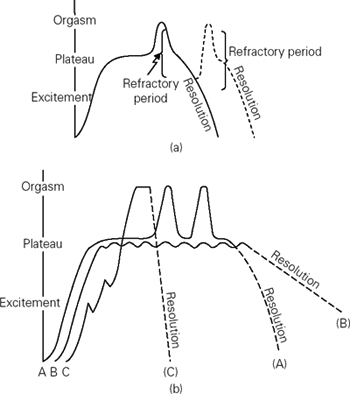
Research demonstrates that male refractory periods show strong age correlation, with young men (teens to twenties) typically experiencing refractory periods of 15 minutes to several hours, while older men may require many hours to days for full sexual responsiveness to return. Studies indicate that approximately 95% of men experience some degree of refractory period after ejaculation, while only 15-20% of women report similar post-orgasmic sexual unresponsiveness, highlighting fundamental differences in male and female sexual physiology.
Individual variation in refractory period duration is enormous, influenced by factors including age, overall health, relationship satisfaction, stress levels, medications, and genetic factors. Understanding refractory period physiology encompasses knowledge of the sexual response cycle, neurobiological mechanisms, gender differences, and strategies for managing expectations and optimizing sexual satisfaction within natural physiological limitations.
History
Early Observations and Folk Knowledge
Historical accounts of male sexual behavior across various cultures documented the observation that men typically require recovery time between sexual encounters, though scientific understanding of the mechanisms was absent. Traditional medicine systems recognized patterns of sexual energy and recovery, often incorporating these observations into health practices.
19th Century: Medical Recognition
Victorian-era physicians began documenting sexual physiology more systematically, noting the temporary sexual unresponsiveness following male orgasm. However, cultural attitudes and limited scientific methodology prevented detailed investigation of sexual response patterns.
Early 20th Century: Psychological Theories
Early sexologists including Havelock Ellis and Magnus Hirschfeld documented sexual response patterns, including observations about post-orgasmic recovery periods. Freudian psychoanalysis attempted to explain sexual phenomena through psychological rather than physiological frameworks.
1940s-1950s: Kinsey Research
Alfred Kinsey’s groundbreaking research documented sexual behavior patterns including frequency of sexual activity and recovery times between encounters. While not specifically studying refractory periods, his work provided population-level data about sexual response patterns.
1960s: Masters and Johnson
William Masters and Virginia Johnson’s laboratory studies of human sexual response provided the first detailed physiological documentation of the refractory period. Their four-phase model (excitement, plateau, orgasm, resolution) established the refractory period as the final phase of male sexual response.
1970s-1980s: Physiological Research
Advanced physiological research began investigating the hormonal and neurological mechanisms underlying the refractory period, including the roles of prolactin, endorphins, and neurotransmitter systems in post-orgasmic sexual inhibition.
1990s-2000s: Neurobiological Understanding
Brain imaging and neurochemical research revealed the complex neural circuits involved in sexual response and recovery, including the role of the prefrontal cortex, limbic system, and various neurotransmitter systems in mediating refractory periods.
2010s-Present: Gender Differences Research
Contemporary research has focused on understanding gender differences in sexual response, including why women typically don’t experience refractory periods and investigating factors that influence individual variation in recovery times.
Physiological Mechanisms
Neurobiological Basis
The refractory period involves complex changes in brain activity following orgasm, including decreased activation in arousal centers and increased activity in inhibitory regions. The prefrontal cortex shows increased activity during the refractory period, potentially explaining the cognitive awareness of decreased sexual interest and responsiveness.
Hormonal Changes
Orgasm triggers significant hormonal changes that contribute to the refractory period, most notably a surge in prolactin levels that remains elevated for extended periods. Prolactin has anti-dopaminergic effects, counteracting the dopamine-driven sexual motivation and arousal that characterizes sexual excitement.
Neurotransmitter Systems
Multiple neurotransmitter systems influence refractory period duration and intensity, including decreased dopamine activity (reducing sexual motivation), increased serotonin levels (promoting satiety and calm), and endorphin release (contributing to post-orgasmic relaxation and reduced sensitivity to sexual stimuli).
Peripheral Physiological Changes
The refractory period involves peripheral changes including penile detumescence (loss of erection), decreased genital sensitivity, reduced heart rate and blood pressure, and overall physiological return to baseline arousal levels. These changes reflect the body’s return to pre-arousal homeostasis.
Gender Differences
Male Refractory Period Characteristics
Men typically experience an absolute refractory period characterized by complete inability to achieve erection or orgasm, regardless of stimulation intensity. This period is followed by a relative refractory period where arousal is possible but requires more intense or prolonged stimulation than usual to achieve sexual response.
Female Sexual Response Patterns
Most women don’t experience a true refractory period and can potentially achieve multiple orgasms in succession without loss of sexual responsiveness. When women do experience post-orgasmic decreased responsiveness, it’s typically much briefer (seconds to minutes) and less absolute than male refractory periods.
Evolutionary Perspectives
The gender difference in refractory periods may have evolutionary significance, with male refractory periods potentially serving to prevent sexual exhaustion and preserve reproductive resources, while female capacity for multiple orgasms may enhance pair bonding and mate retention behaviors.
Hormonal Differences
Gender differences in refractory periods correlate with hormonal differences, particularly in prolactin response patterns and baseline sex hormone levels. Women typically show smaller prolactin increases after orgasm and may have different sensitivity to prolactin’s inhibitory effects on sexual arousal.
Age-Related Changes
Adolescent and Young Adult Patterns
Young men typically experience relatively brief refractory periods, often 15 minutes to 2 hours, reflecting high testosterone levels, robust neurological function, and optimal cardiovascular health. Some teenage boys may experience refractory periods as brief as a few minutes under optimal conditions.
Middle Age Transitions
Men in their thirties and forties often notice gradual increases in refractory period duration, reflecting early age-related changes in hormone levels, cardiovascular function, and neurological responsiveness. This transition may be among the first noticeable signs of sexual aging.
Older Adult Patterns
Older men typically experience significantly prolonged refractory periods, potentially lasting many hours to days, due to decreased testosterone levels, reduced neurological sensitivity, cardiovascular changes, and often concurrent medical conditions or medications affecting sexual function.
Female Age-Related Changes
Women’s refractory period patterns show less dramatic age-related changes than men’s, though menopause and associated hormonal changes may affect overall sexual responsiveness and the ease of achieving multiple orgasms. Age-related sexual changes affect both genders but show different patterns and timelines.
Individual Variation and Influencing Factors
Genetic and Constitutional Factors
Individual differences in refractory period duration appear to have genetic components, with some men consistently experiencing brief recovery times while others have prolonged periods regardless of age or health status. Genetic variations in neurotransmitter metabolism and hormone sensitivity may contribute to these differences.
Health and Lifestyle Factors
Overall physical health significantly influences refractory period duration, with cardiovascular fitness, normal hormone levels, absence of chronic diseases, and healthy lifestyle choices (good nutrition, regular exercise, adequate sleep) all associated with shorter recovery times.
Psychological and Relationship Factors
Mental health, stress levels, relationship satisfaction, and sexual confidence all influence refractory period patterns. High stress, depression, anxiety, and relationship problems can prolong recovery times, while positive psychological states and satisfying relationships may facilitate faster recovery.
Substance Use Effects
Alcohol, recreational drugs, and certain medications can significantly affect refractory period duration. While some substances may initially seem to shorten recovery times, they often ultimately impair sexual function and may lead to longer refractory periods with chronic use.
Medical Conditions and Medications
Chronic Medical Conditions
Conditions affecting cardiovascular health, neurological function, or hormone production can significantly prolong refractory periods. Diabetes, heart disease, depression, anxiety disorders, and endocrine disorders all commonly affect sexual recovery times and overall sexual function.
Medication Effects
Many medications influence refractory period duration, particularly antidepressants (especially SSRIs), blood pressure medications, antihistamines, and opioid pain medications. These drugs may prolong recovery times through various mechanisms affecting neurotransmitter function or cardiovascular response.
Hormonal Disorders
Conditions affecting testosterone, thyroid hormones, or prolactin levels can dramatically affect refractory period patterns. Hypogonadism, hyperprolactinemia, and thyroid disorders may cause unusually prolonged recovery times requiring medical evaluation and treatment.
Neurological Conditions
Spinal cord injuries, multiple sclerosis, Parkinson’s disease, and other neurological conditions can affect the neural pathways involved in sexual response and recovery, potentially altering normal refractory period patterns in complex ways.
Clinical Significance and Concerns
Normal vs. Problematic Patterns
While refractory periods are normal, extremely prolonged recovery times (days to weeks) or sudden changes in usual patterns may indicate underlying health problems requiring medical evaluation. Conversely, unusually brief refractory periods are rarely concerning unless associated with other symptoms.
Impact on Sexual Relationships
Significant differences between partners’ sexual recovery times can create relationship challenges requiring communication, understanding, and often creative solutions to maintain sexual satisfaction for both partners. Mismatched sexual timing is a common relationship concern.
Performance Anxiety
Anxiety about refractory period duration can create psychological pressure that actually prolongs recovery times, creating a cycle of performance anxiety and sexual dysfunction. Education about normal variation helps reduce unrealistic expectations and associated anxiety.
Treatment Considerations
While refractory periods are normal and generally don’t require treatment, addressing underlying health conditions, optimizing lifestyle factors, and managing psychological stress can help ensure recovery times remain within normal ranges for individual circumstances.
Multiple Orgasms and Extended Sexual Activity
Male Multiple Orgasms
While rare, some men can experience multiple orgasms either through separating orgasm from ejaculation or through very brief refractory periods. These abilities often require specific techniques, training, and individual physiological characteristics that may not be achievable for all men.
Female Multiple Orgasms
Women’s capacity for multiple orgasms is well-documented, with studies showing that 40-50% of women have experienced multiple orgasms. This ability varies among individuals and situations, influenced by factors including arousal level, stimulation type, and psychological comfort.
Tantric and Extended Pleasure Practices
Various sexual practices and traditions focus on extending sexual pleasure and managing or circumventing refractory periods through breathing techniques, mindfulness, and specific physical practices. While these may enhance sexual experiences, they don’t eliminate normal physiological responses.
Realistic Expectations
Understanding normal refractory period patterns helps establish realistic expectations for sexual activity and prevents disappointment or anxiety when recovery times follow normal physiological patterns rather than unrealistic media portrayals of male sexual performance.
Relationship and Communication Aspects
Partner Understanding
Education about refractory periods helps partners understand that decreased sexual responsiveness after orgasm is normal physiology rather than lack of interest or attraction. This understanding can prevent misinterpretation and relationship conflict.
Sexual Communication
Open communication about sexual needs, timing, and physiological responses helps couples navigate different recovery times and maintain sexual satisfaction. Discussing refractory periods can lead to more creative and satisfying sexual practices.
Alternative Intimacy
Understanding that sexual intimacy extends beyond penetrative sex helps couples maintain connection during refractory periods through cuddling, massage, oral sex, manual stimulation, and emotional intimacy that doesn’t require male erection or arousal.
Timing and Planning
Some couples benefit from understanding individual refractory period patterns to time sexual activity optimally, whether planning for multiple encounters or ensuring adequate recovery time between sexual sessions for maximum enjoyment.
Research and Scientific Understanding
Neuroimaging Studies
Brain imaging research has revealed the neural networks involved in refractory periods, including decreased activity in reward centers and increased activity in prefrontal regions associated with sexual inhibition. These studies provide objective evidence for the physiological basis of post-orgasmic sexual unresponsiveness.
Hormonal Research
Studies measuring hormone levels before, during, and after sexual activity have documented the prolactin surge and other hormonal changes associated with refractory periods. Research continues investigating whether modifying these hormonal responses could influence recovery times.
Cross-Species Studies
Comparative research across mammalian species reveals that refractory periods are nearly universal among males, suggesting evolutionary conservation of this physiological response. These studies provide insights into the adaptive significance and biological basis of sexual recovery periods.
Individual Difference Research
Studies investigating factors that influence refractory period variation help identify modifiable factors that might optimize sexual function and recovery times. Research on sexual recovery continues exploring genetic, physiological, and psychological determinants of individual differences.
Cultural and Social Perspectives
Cultural Attitudes Toward Male Sexuality
Different cultures have varying expectations about male sexual performance and recovery, with some emphasizing sexual stamina and frequency while others focus on quality and satisfaction. These cultural attitudes can influence individual anxiety and expectations about refractory periods.
Media Portrayals
Popular media often presents unrealistic portrayals of male sexual performance, including minimal or absent refractory periods, creating unrealistic expectations that can contribute to performance anxiety and relationship dissatisfaction when reality doesn’t match media representations.
Age and Masculinity
Cultural associations between sexual performance and masculinity can make age-related increases in refractory periods particularly challenging for some men, requiring adjustment of self-concept and sexual expectations as part of healthy aging.
Educational Approaches
Comprehensive sex education that includes information about normal sexual physiology, including refractory periods, helps establish realistic expectations and reduces anxiety about normal bodily functions that affect sexual experience.
Future Research Directions
Pharmacological Interventions
Research continues investigating whether medications targeting prolactin, dopamine, or other systems involved in refractory periods could safely modify recovery times. However, ethical and safety considerations limit research into interventions for normal physiological processes.
Genetic Studies
Future research may identify specific genetic variants associated with refractory period duration, potentially leading to personalized understanding of individual sexual response patterns and more targeted interventions for sexual dysfunction.
Technology and Monitoring
Advanced monitoring technologies may provide new insights into the physiological changes during refractory periods, including real-time measurement of hormonal fluctuations, neural activity, and cardiovascular responses during sexual recovery.
Frequently Asked Questions
Is it normal for men to need recovery time after orgasm?
Yes, refractory periods are completely normal for men and represent a natural physiological response following orgasm. About 95% of men experience some degree of sexual unresponsiveness after ejaculation, ranging from minutes to hours depending on individual factors and age.
Why don’t women typically have refractory periods?
Women generally don’t experience refractory periods due to different hormonal responses to orgasm and different neural pathways involved in sexual arousal. This allows many women to potentially achieve multiple orgasms without significant recovery time between them.
How long should a refractory period last?
Refractory period duration varies enormously among individuals and with age. Young men might recover in 15 minutes to a few hours, while older men may need many hours or even days. Any duration within these ranges can be normal for individual circumstances.
Can refractory periods be shortened?
While refractory periods are largely determined by physiology, maintaining good overall health, managing stress, staying physically fit, and addressing any underlying medical conditions may help optimize recovery times within individual genetic limitations.
When should I be concerned about refractory period changes?
Sudden dramatic increases in refractory period duration, especially when accompanied by other sexual problems, may indicate underlying health issues worth discussing with a healthcare provider. Gradual increases with age are normal and expected.
Can men have multiple orgasms?
While uncommon, some men can experience multiple orgasms through specific techniques or individual physiological characteristics. However, this ability is rare and not achievable for most men due to normal refractory period physiology.
Do medications affect refractory periods?
Yes, many medications can influence refractory period duration, particularly antidepressants, blood pressure medications, and other drugs affecting neurotransmitter function. If medication side effects are concerning, discuss alternatives with your healthcare provider.