
Jelqing is a manual penis enlargement technique involving repetitive stroking motions intended to increase blood flow and allegedly promote tissue growth for enhanced size. Jelqing consists of applying pressure while moving the hand from the base to the head of the penis in a milking-like motion, typically performed on a semi-erect penis using lubrication to reduce friction. At the individual level, jelqing is practiced by men seeking penis enlargement, though scientific evidence for its effectiveness remains limited and the technique carries potential risks for penile injury.
Jelqing
| |
|---|---|
| Category | Male Enhancement, Sexual Health, Alternative Medicine |
| Research Fields | Urology, Sexual Medicine, Men’s Health, Psychology |
| Also known as: | Penis milking, manual stretching, PE exercises |
| Pronunciation: | JEL-king |
| Scientific evidence: | Limited peer-reviewed research available |
| Injury risk: | Moderate to high with improper technique |
| Practice prevalence: | Estimated 5-15% of men have attempted |
| Average session time: | 10-30 minutes per session |
| Medical consensus: | Lacks clinical validation for effectiveness |
| Sources: | International Journal of Impotence Research, Journal of Urology, BJU International, StatPearls |
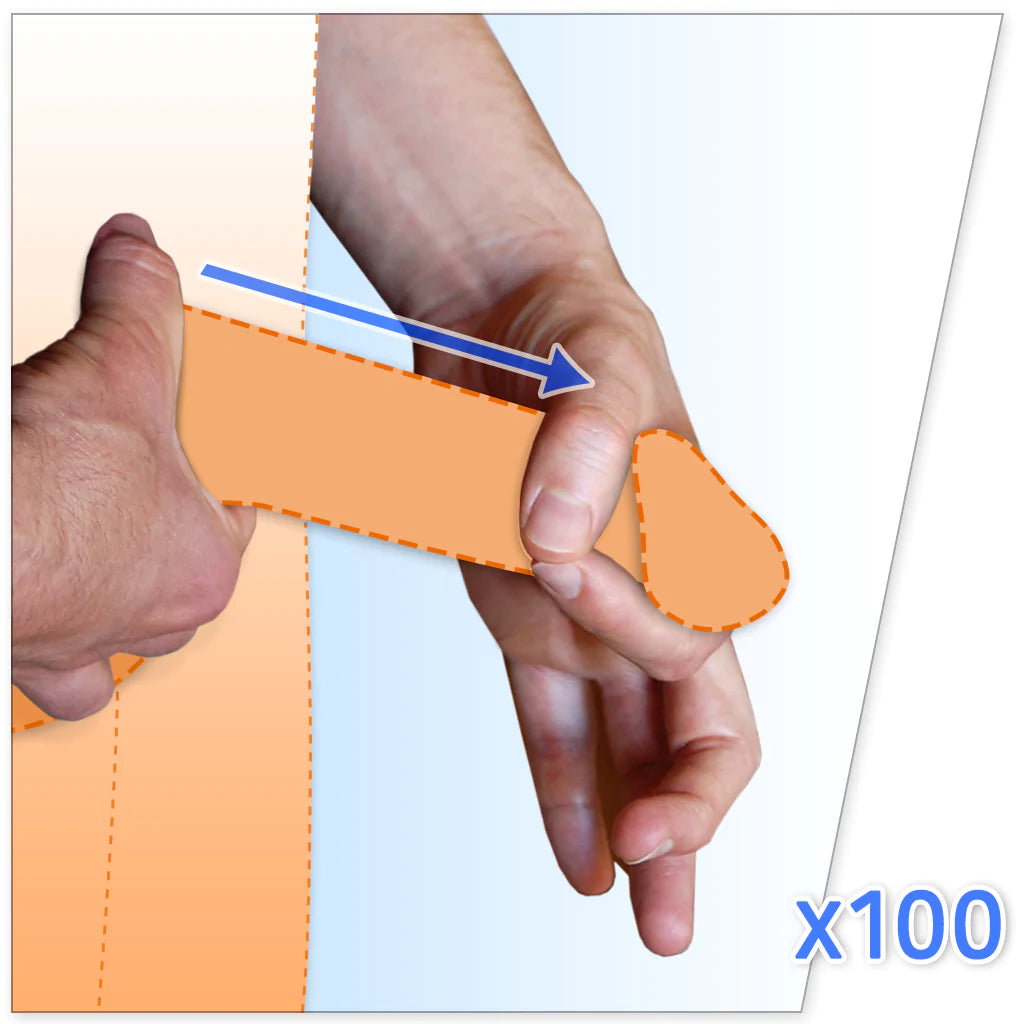
Despite widespread online promotion and anecdotal claims, jelqing lacks robust scientific validation for penis enlargement effectiveness. Studies on manual penis enlargement techniques show mixed results at best, with most urologists and sexual medicine specialists expressing skepticism about permanent size gains from jelqing. The technique has gained popularity through internet forums and male enhancement communities, where practitioners share techniques and report subjective results, though these accounts are not scientifically verified.
Penis size concerns affect a significant portion of men, with studies indicating that 45-68% of men desire a larger penis, despite most having normal-sized anatomy. Understanding penis size and enhancement encompasses knowledge of normal anatomy, the psychology of size concerns, evidence-based treatments, and the risks associated with unproven enlargement methods like jelqing.
History
Ancient Origins
Manual penis enlargement techniques have ancient roots, with historical references found in various cultures including Arab and African traditional practices. The term “jelqing” is believed to derive from the Arabic word “jalq” meaning “to milk,” suggesting Middle Eastern origins for the technique.
Traditional Practices
Some traditional cultures incorporated penis enlargement rituals as rites of passage or cultural practices, often involving manual manipulation, herbal treatments, or mechanical devices. These practices were typically passed down through generations within specific communities.
Early 20th Century Documentation
Medical literature from the early 1900s occasionally mentioned manual enlargement techniques, though usually in the context of documenting cultural practices rather than endorsing their effectiveness. Most medical professionals of this era viewed such techniques with skepticism.
1990s: Internet Popularization
The widespread adoption of the internet in the 1990s led to the proliferation of jelqing information through early websites, forums, and email lists. Online communities began forming around penis enlargement techniques, sharing detailed instructions and personal experiences.
2000s: Commercial Expansion
The 2000s saw the commercialization of jelqing through paid programs, instructional videos, and dedicated websites offering step-by-step guides. This period marked the transition from underground practice to more mainstream awareness, despite continued lack of scientific validation.
2010s: Scientific Scrutiny
Medical researchers began systematically studying penis enlargement claims, including jelqing, leading to published reviews questioning the safety and effectiveness of manual enlargement techniques. Urological societies issued position statements advising caution.
Present: Ongoing Debate
Contemporary discussions around jelqing continue to divide practitioners, who report anecdotal benefits, and medical professionals, who emphasize the lack of rigorous scientific evidence and potential for harm when techniques are performed incorrectly.
Technique and Methodology
Basic Jelqing Technique
Traditional jelqing involves forming an “OK” grip with the thumb and index finger, placing it at the base of a semi-erect (40-60% erect) penis, and slowly stroking toward the glans while maintaining pressure. Each stroke typically takes 3-5 seconds, with practitioners alternating hands to maintain continuous motion.
Preparation and Safety Measures
Proper jelqing preparation includes warming the penis with a warm cloth or shower, using adequate lubrication to prevent friction injuries, and ensuring proper hand hygiene. Practitioners are advised to start with light pressure and shorter sessions to assess individual tolerance.
Session Structure and Duration
Typical jelqing sessions range from 10-30 minutes, performed 3-5 times per week according to most online guides. Beginners are usually advised to start with shorter sessions (5-10 minutes) and gradually increase duration and intensity over weeks or months.
Variations and Advanced Techniques
Advanced practitioners may incorporate variations including different grip patterns, pressure levels, and combination with other exercises like stretching or kegel exercises. However, these variations lack scientific study and may increase injury risk without proven benefits.
Scientific Evidence and Research
Limited Research Base
Peer-reviewed research on jelqing specifically is extremely limited, with most studies focusing on broader categories of penile traction or manual enlargement techniques. The few available studies show inconsistent results and often lack proper control groups or long-term follow-up.
Penile Traction Studies
While not specifically jelqing, studies on penile traction devices have shown modest length gains (1-3 cm) over extended periods (6-12 months), though these results may not apply to manual techniques. Traction studies involve consistent, measured force application unlike the variable pressure of jelqing.
Physiological Plausibility
The theoretical mechanism behind jelqing involves tissue expansion through repeated stretching and increased blood flow, similar to tissue expansion techniques used in reconstructive surgery. However, penis anatomy differs significantly from other tissues, and the effectiveness of manual manipulation remains unproven.
Measurement Challenges
Scientific assessment of penis enlargement is complicated by measurement inconsistencies, temporary vs. permanent changes, and the psychological component of self-reported improvements. Standardized measurement protocols are essential for valid research but rarely followed in anecdotal reports.
Risks and Safety Concerns
Acute Injuries
Jelqing can cause immediate injuries including skin tears, bruising, swelling, and pain if performed with excessive force or inadequate lubrication. Emergency room visits for penile injuries related to enlargement attempts have been documented in medical literature.
Chronic Complications
Long-term risks may include scar tissue formation (Peyronie’s disease), erectile dysfunction, decreased sensitivity, and permanent deformity. These complications can be irreversible and may require surgical intervention to correct.
Vascular Damage
Excessive pressure during jelqing can damage penile blood vessels, potentially leading to thrombosis, reduced blood flow, or erectile dysfunction. The penis contains delicate vascular structures that can be permanently damaged by improper manipulation.
Nerve Injury
Aggressive jelqing techniques may damage penile nerves, resulting in decreased sensation or chronic pain. Nerve damage in the genital area can significantly impact sexual function and quality of life, often requiring specialized treatment.
Psychology of Penis Enlargement
Size Anxiety and Body Dysmorphia
Many men who attempt jelqing suffer from penis size anxiety or small penis syndrome, conditions where normal-sized men perceive their anatomy as inadequate. This psychological distress can lead to compulsive enlargement attempts despite potential risks.
Media and Cultural Influences
Pornography, media representations, and cultural messaging contribute to unrealistic expectations about penis size, driving demand for enlargement techniques. These influences often distort perceptions of normal anatomy and create pressure for enhancement.
Placebo Effects and Confirmation Bias
Reported improvements from jelqing may be influenced by placebo effects, measurement errors, and confirmation bias. Men invested in the technique may perceive benefits that don’t objectively exist or may be temporary swelling rather than permanent growth.
Impact on Sexual Confidence
Size concerns and enlargement attempts can negatively impact sexual confidence and relationship satisfaction. Men focused on penis size may neglect other aspects of sexual health and intimate connection that are more important for partner satisfaction.
Medical Alternatives
Surgical Options
Legitimate surgical penis enlargement procedures include ligament release surgery (for length) and fat transfer or dermal grafts (for girth), though these carry significant risks and modest results. Surgical outcomes are often less dramatic than patients expect and may involve complications.
Non-Surgical Medical Devices
FDA-approved penile traction devices have some scientific support for modest length increases, while vacuum erection devices can temporarily increase size and may help with erectile function. These devices undergo safety testing unlike manual techniques.
Psychological Counseling
For men with normal anatomy but size anxiety, psychological counseling or sex therapy may be more beneficial than physical enlargement attempts. Addressing underlying psychological factors often improves sexual satisfaction more effectively than size changes.
Sexual Health Optimization
Focusing on overall sexual health through exercise, proper nutrition, stress management, and treatment of erectile dysfunction may improve sexual function and confidence more than enlargement techniques. These approaches have proven benefits for sexual performance.
Online Communities and Culture
Forum Communities
Dedicated online forums have developed around jelqing and penis enlargement, creating communities where practitioners share techniques, progress reports, and support. These communities often develop their own terminology, measurement standards, and culture around enlargement practices.
Information Quality Issues
Online jelqing information varies widely in quality, with much content lacking medical oversight or scientific basis. Misinformation about safety, effectiveness, and techniques proliferates in these communities, potentially leading to harmful practices.
Commercial Exploitation
The popularity of jelqing has led to commercial exploitation through paid programs, supplements claiming to enhance results, and devices marketed alongside manual techniques. Many of these products lack scientific validation and may prey on vulnerable individuals.
Peer Pressure and Competition
Online communities may create pressure to achieve dramatic results or attempt increasingly aggressive techniques. This competitive environment can lead to unsafe practices and unrealistic expectations about enlargement outcomes.
Medical Professional Perspectives
Urological Society Positions
Major urological societies generally advise against jelqing and similar techniques due to lack of evidence and potential for harm. Professional guidelines emphasize that most men have normal anatomy and don’t require enlargement procedures.
Clinical Experience
Urologists report seeing patients with injuries from jelqing and other enlargement attempts, reinforcing medical skepticism about these techniques. Clinical experience suggests that complications often outweigh any potential benefits.
Evidence-Based Alternatives
Medical professionals typically recommend evidence-based approaches to sexual health concerns, including treatment of erectile dysfunction, psychological counseling for body image issues, and education about normal anatomy variation.
Patient Education Challenges
Healthcare providers face challenges in discussing jelqing with patients due to stigma, embarrassment, and patient investment in unproven techniques. Effective patient communication requires sensitivity while providing accurate medical information.
Global Perspectives and Cultural Variations
Cultural Attitudes Toward Penis Size
Cultural attitudes about penis size vary globally, influencing demand for enlargement techniques. Some cultures place greater emphasis on genital size, while others prioritize different aspects of masculinity and sexual function.
Traditional Medicine Approaches
Various traditional medicine systems include penis enlargement practices, though these typically lack scientific validation. Integration of traditional and modern medical perspectives requires careful evaluation of safety and effectiveness.
Regulatory Differences
Different countries have varying regulations regarding penis enlargement products and procedures, affecting availability and marketing of jelqing-related materials. Some regions have stricter oversight of enlargement claims and products.
Future Research Directions
Controlled Clinical Studies
Future research could include randomized controlled trials of jelqing with proper measurement protocols, control groups, and long-term safety monitoring. Such studies would provide definitive evidence about effectiveness and risks.
Biomechanical Analysis
Advanced imaging and measurement techniques could help understand the physiological effects of jelqing on penile tissues, blood flow, and cellular changes. This research could inform safer technique modifications if benefits are demonstrated.
Psychological Impact Studies
Research on the psychological effects of jelqing practice, including impact on body image, sexual confidence, and relationship satisfaction, could inform clinical approaches to size anxiety and enlargement seeking behavior.
Frequently Asked Questions
Does jelqing actually work for penis enlargement?
There is no robust scientific evidence that jelqing produces permanent penis enlargement. While some practitioners report subjective improvements, these may be due to temporary swelling, measurement errors, or placebo effects rather than actual tissue growth.
Is jelqing safe to practice?
Jelqing carries risks of injury including bruising, pain, scar tissue formation, and potential erectile dysfunction. The technique can damage delicate penile tissues, blood vessels, and nerves if performed incorrectly or with excessive force.
How long does it take to see results from jelqing?
Practitioners typically claim results appear after weeks to months of consistent practice, though objective measurement of any changes is difficult. Many reported “results” may be temporary swelling rather than permanent growth.
What is the proper technique for jelqing?
While detailed techniques are widely available online, medical professionals generally advise against jelqing due to lack of proven benefits and potential for harm. Those considering the technique should consult healthcare providers about safer alternatives.
Can jelqing cause permanent damage?
Yes, jelqing can cause permanent damage including scar tissue formation (Peyronie’s disease), erectile dysfunction, nerve damage, and penile deformity. These complications may require medical treatment and can negatively impact sexual function.
Are there medical alternatives to jelqing?
Medical alternatives include FDA-approved traction devices (with modest evidence), surgical procedures (with significant risks), and psychological counseling for size anxiety. Most urologists recommend addressing underlying psychological concerns rather than attempting enlargement.
Should I tell my doctor if I’m considering jelqing?
Yes, discussing jelqing with a healthcare provider allows for proper education about risks, alternatives, and underlying concerns. Doctors can provide evidence-based information and help address size anxiety through appropriate medical or psychological interventions.