
Abortion
| |
|---|---|
| Category | Reproductive Health, Social Policy |
| Subfield(s) | Obstetrics & Gynecology, Public Health, Bioethics |
| Other Names | induced abortion, pregnancy termination, elective procedure |
| Epidemiology | Approximately 73 million annually worldwide (2020) |
| Primary Applications | maternal health, fetal anomaly, elective request |
| Sources: Mansur, 2025; Cao, 2025; WHO, 2025 | |
Other Names
induced abortion, pregnancy termination, elective procedure, therapeutic intervention
History
1850s: Wave of Criminalization
In the 1850s, medical associations in North America and Europe pushed laws to restrict pregnancy termination to licensed physicians. These efforts replaced quickening-based norms, criminalized midwife practices, and created legal frameworks that remained for over a century.
1960s: Reform and Liberalization
Social movements, rising maternal mortality, and drug-related birth defects drove legal reform. The UK’s 1967 Act allowed procedures on health or economic grounds. U.S. states like Colorado introduced reforms. Global health institutions began tracking unsafe terminations as public health issues.
1970s: Constitutional Rights and Global Expansion
Constitutional court rulings shaped access to clinical termination. Roe v. Wade framed it as a privacy right in 1973. Canada and India introduced reforms. Global organizations began monitoring data related to reproductive autonomy and outcomes.
2010s: Medication and Digital Access
The decade saw rapid growth in telemedicine-based pregnancy termination. Ireland and Argentina legalized it. U.S. states passed restrictive heartbeat bills. Medication-based methods became the global standard, increasing the share of self-managed interventions.
Types
Medical versus Surgical
Drug-based termination uses mifepristone and misoprostol. Surgical procedures include vacuum aspiration and dilation and evacuation. Both approaches are safe and effective when provided by trained clinicians using approved techniques and protocols.
Induced and Spontaneous
Elective procedures are intentional; spontaneous terminations occur without medical intervention. Both may require similar clinical care. Differentiation is important for health reporting and legal frameworks, particularly where access is limited or stigmatized.
Safe and Unsafe Abortions
A safe termination is performed under proper medical conditions. Unsafe procedures due to untrained providers or non-sterile settings are a major cause of maternal mortality globally. Expanding access and legal protections reduces risk.
Methods
Medication Regimen
Mifepristone and misoprostol are used in sequence to induce uterine contractions. This method is effective up to 10–12 weeks and increasingly supported by digital platforms. It allows privacy and accessibility when regulations permit.
Vacuum Aspiration
Vacuum aspiration is a short outpatient procedure for early-term termination. A cannula connected to suction removes uterine contents. It has low complication rates and is the most common surgical approach worldwide.
Dilation and Evacuation
Dilation and evacuation is used after the first trimester. It involves cervical softening followed by surgical removal of tissue. This method is clinically preferred at later stages for its safety and predictability.

Legal Regulations
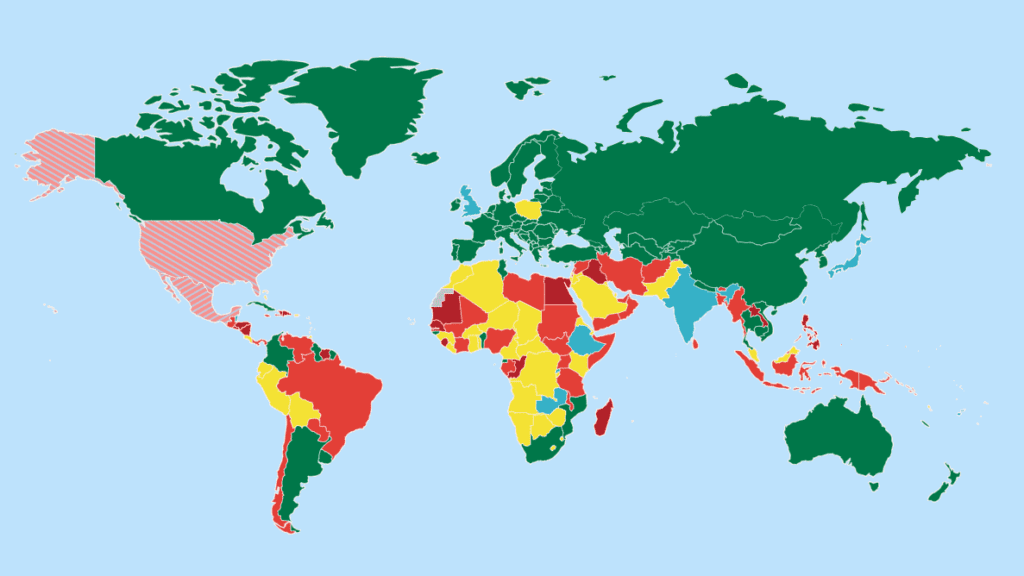
Legal access to reproductive procedures varies. Some countries allow elective intervention in early pregnancy, while others restrict it to extreme circumstances. Enforcement and availability do not always align with legal status.
Gestational Limits
Gestational limits define the latest legal stage for intervention. Most countries set elective limits at 12–14 weeks, with exceptions based on health, anomaly detection, or viability. These frameworks are central to legal debates.
Conscience Exceptions
Health providers may invoke conscience clauses to decline participation. Ethical guidance recommends referral protocols and transparency to preserve patient access while respecting provider beliefs. Regulations differ by region.
Religion
Christian Doctrines
Christianity presents diverse interpretations. Catholicism rejects termination outright. Some Protestant groups allow exceptions. Theological debates focus on ensoulment, moral authority, and pastoral care in complex cases.
Islamic Jurisprudence
Many Islamic scholars allow early pregnancy interruption before ensoulment (~120 days). Post-ensoulment, it is only permitted to protect maternal life. National laws vary in how they apply these rulings.
Eastern Traditions
Hindu and Buddhist traditions emphasize intention and harm minimization. Japanese Buddhist practices such as mizuko kuyō express grief rather than judgment. Modern interpretations often balance dharma with individual autonomy.
Society and Culture
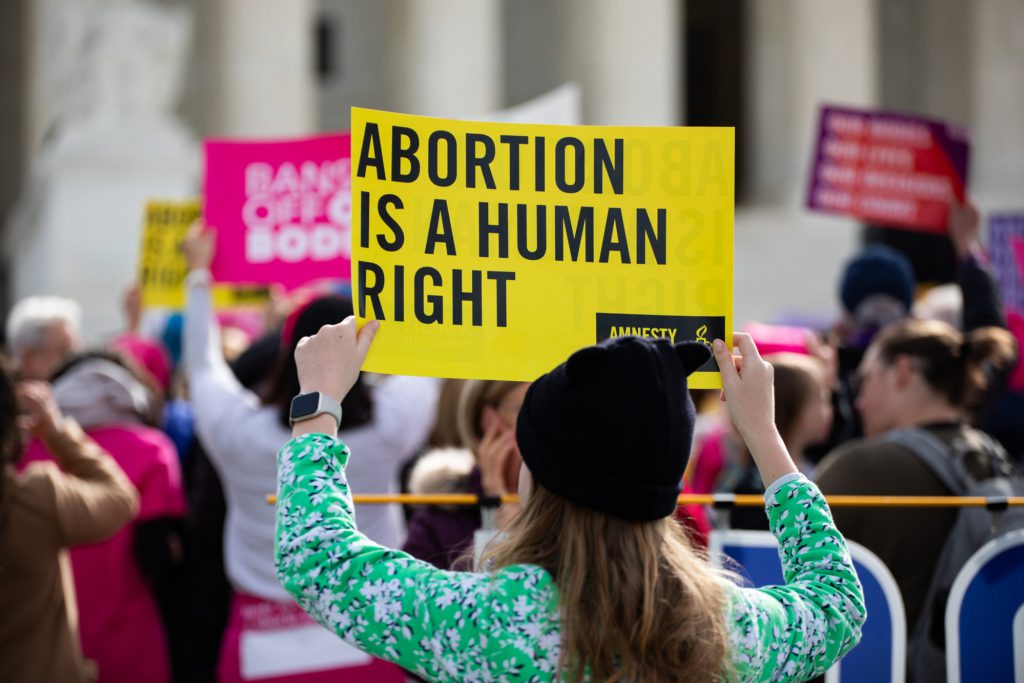
This medical procedure intersects with gender roles, public opinion, class access, and stigma. Social context influences care-seeking, disclosure, and support networks. Attitudes vary significantly by generation, religion, and region.
Media Depictions
Film
- Where Are My Children? (1916): District Attorney Richard Walton (Tyrone Power Sr.) prosecutes an illegal-abortion provider, only to learn that his wife Edith Walton (Helen Riaume) secretly underwent the procedure, exposing the personal cost of his moral crusade.
- Dirty Dancing (1987): Penny Johnson (Cynthia Rhodes), a dancer at a summer resort, becomes pregnant by a fellow staff member and seeks an illegal abortion. Frances “Baby” Houseman (Jennifer Grey) steps in to help pay for the procedure and takes Penny’s place in a performance, initiating her personal transformation.
- Vera Drake (2004): Vera Drake (Imelda Staunton), a working-class woman in 1950s London, secretly performs illegal abortions for young women, believing she is helping them—until her actions are discovered by authorities, leading to a devastating legal and familial fallout.
- 4 Months, 3 Weeks and 2 Days (2007): In 1987 Communist Romania, university student Otilia (Anamaria Marinca) helps her friend Gabita (Laura Vasiliu) obtain an illegal abortion, navigating oppressive state control, personal risk, and emotional trauma throughout the process.
- Never Rarely Sometimes Always (2020): Seventeen-year-old Autumn (Sidney Flanigan) travels from rural Pennsylvania to New York City with her cousin Skylar (Talia Ryder) after discovering she is pregnant, seeking an abortion without parental consent and navigating the healthcare system with limited resources.
Television
- Maude – “Maude’s Dilemma” (1972): Maude Findlay (Bea Arthur), a middle-aged woman, becomes unexpectedly pregnant and decides to have an abortion, just two months before Roe v. Wade. The episode addressed the topic head-on, provoking national debate at the time.
- Degrassi High – “A New Start” (1989): Erica Farrell (Angela Deiseach) becomes pregnant after a brief relationship and chooses to have an abortion, sparking conflict with her twin sister and discussions among peers about choice and morality.
- Coronation Street– “Episode #1.5337” (2002): Teenage character Sarah Platt (Tina O’Brien) discovers she is pregnant and later chooses abortion in a follow-up storyline, marking one of the first British soaps to address abortion in an ongoing teenage narrative arc.
- Grey’s Anatomy – “Wouldn’t It Be Nice” (2011): Dr. Cristina Yang (Sandra Oh) decides to have an abortion despite objections from her husband Owen Hunt (Kevin McKidd), reinforcing her commitment to her career and autonomy.
- Scandal – “Baby, It’s Cold Outside” (2015): Olivia Pope (Kerry Washington) undergoes an abortion without telling President Fitz Grant (Tony Goldwyn), in a powerful and silent scene emphasizing her agency and emotional independence.
- Call the Midwife – Season 5, Episode 3 (2016): Set in 1960s London, the show depicts a woman who has resorted to a dangerous backstreet abortion, prompting moral reckoning among the nuns and nurses working in women’s health.
- Sex Education – Season 2, Episode 3 (2020): Maeve Wiley (Emma Mackey) visits a clinic alone to obtain a legal abortion, depicted in a straightforward, compassionate manner that emphasizes emotional support and choice.
Documentary
- After Tiller (2013): Follows the four remaining doctors in the U.S. who openly perform third-trimester abortions following the assassination of Dr. George Tiller. It highlights the ethical, emotional, and political challenges they face.
- Reversing Roe (2018): Explores the history and polarization of abortion rights in the United States, using archival footage, interviews with activists on both sides, and historical context to frame the debate over reproductive rights.
Books
- The Cider House Rules (1985) by John Irving: Follows Homer Wells, an orphan trained as a physician by Dr. Wilbur Larch, who also performs illegal abortions. Homer must reconcile his moral beliefs and role in a world shaped by unwanted pregnancies and limited choices.
- Annie John (1985) by Jamaica Kincaid: Although not central to the plot, the narrative addresses abortion as a peripheral yet potent topic within the protagonist’s coming-of-age in colonial Antigua, underscoring themes of autonomy and colonial medical ethics.
- Red Clocks (2018) by Leni Zumas: In a dystopian near-future United States where abortion and IVF are outlawed, multiple women—such as a single teacher, a pregnant teenager, and an herbalist—struggle to navigate a system designed to suppress reproductive agency.
Plays
- Keely and Du (1993) by Jane Martin: A woman named Keely is kidnapped by an anti-abortion group and held by Du, a nurse and religious believer, to prevent her from obtaining an abortion. The play explores autonomy, extremism, and moral conflict.
- Dry Land (2014) by Ruby Rae Spiegel: Set in a Florida high school locker room, the play follows two teenage girls, Amy and Ester, as they deal with Amy’s unplanned pregnancy and her painful attempt to induce a miscarriage, portraying abortion as both an act of desperation and resilience.
Other Media
- Untitled (Portrait of Ross in L.A.) (1991) by Félix González-Torres: While not literally about abortion, the conceptual artwork—a pile of candies representing the weight of the artist’s partner before AIDS—has been interpreted in feminist contexts as a commentary on bodily autonomy, decay, and choice, including reproductive freedom.
- Jenny Holzer’s “Truisms” (1977–79): Features aphorisms like “Abuse of power comes as no surprise” and “Protect me from what I want,” which have been used in reproductive rights protests and installations, contextualizing abortion in broader power and autonomy dynamics.
Non-Human Examples (by Species)
Mammalian Adaptations
Animals exhibit pregnancy loss as an adaptive mechanism. Rodents resorb embryos under stress. Hormonal responses in primates shift pregnancy viability during environmental disruption, reflecting evolutionary strategies.
Research Landscape
Public Health, Ethics, Law
Ongoing studies focus on clinical safety, access barriers, and ethical policy. Legal scholars examine court trends and rights-based frameworks. Health systems research looks at disparities, training, and innovation in service delivery.
Selected Publications
[wp-rss-aggregator feeds=”abortion”]
References
- Mansur, M., Diansyah, A. M., Rahmat, R., Amrullah, M. F., Alfian, A. M., Adam, A. A. S., & Nurlatifah, A. (2025). Reproductive disorders in Simmental cattle: Enhancing fertility through a hormonal protocol. Open Veterinary Journal, 15(5), 2112–2121. https://doi.org/10.5455/OVJ.2025.v15.i5.29.
- Cao, Y., Li, W., & Ma, L. (2025). Assessment of the prognostic value of CA125 for miscarriage risk in patients with threatened abortion: A systematic review and meta-analysis. PLOS ONE, 20(6), e0326384. https://doi.org/10.1371/journal.pone.0326384.