
0-day pregnancy test is a rapid pregnancy test designed to detect pregnancy hormones from the first day of a missed menstrual period, representing the earliest possible home testing timepoint for determining pregnancy status. These highly sensitive tests measure human chorionic gonadotropin (hCG) levels in urine at concentrations as low as 10-25 mIU/mL, enabling detection of pregnancy approximately 12-14 days after conception when implantation has successfully occurred. The “0-day” designation refers to day zero of a missed period rather than immediate post-conception testing, as hCG must reach detectable levels through successful embryo implantation and hormone production.
0-day pregnancy test
| |
|---|---|
| Category | Sexual Health, Reproductive Testing, Family Planning |
| Research Fields | Reproductive Endocrinology, Diagnostic Testing, Public Health |
| Also known as: | Early detection pregnancy test, first-day pregnancy test, ultra-sensitive pregnancy test |
| Detection hormone: | Human chorionic gonadotropin (hCG) |
| Sensitivity range: | 10-25 mIU/mL hCG |
| Testing timeframe: | First day of missed period (14+ days post-conception) |
| Accuracy: | 99%+ when used correctly at recommended timing |
| Result time: | 1-3 minutes |
| Cost range: | $8-25 per test |
| Sources: | FDA, ACOG, Clinical Chemistry, Planned Parenthood |
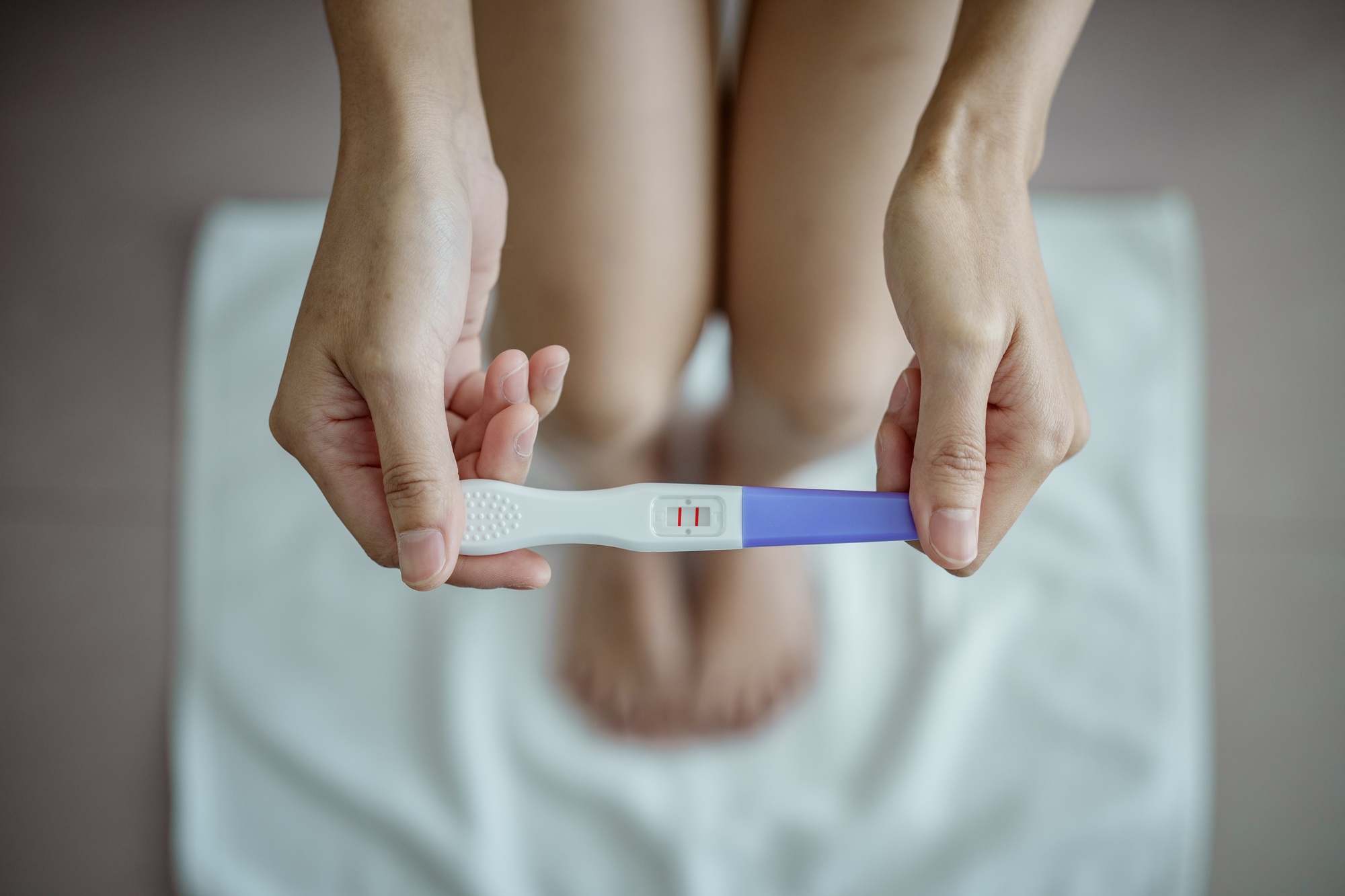
Modern 0-day pregnancy tests utilize advanced immunoassay technology with monoclonal antibodies specific to the beta subunit of hCG, allowing detection of pregnancy hormones at lower concentrations than standard pregnancy tests. These tests represent significant advancement in reproductive health technology, providing individuals with earlier knowledge of pregnancy status for timely healthcare planning, nutritional optimization, medication adjustment, and reproductive decision-making.
Understanding proper 0-day pregnancy test usage involves recognizing factors that affect accuracy including timing relative to ovulation and implantation, urine concentration, medication interactions, and individual variation in hCG production rates. While these tests offer valuable early detection capabilities, false negatives can occur if testing occurs before sufficient hCG accumulation, and false positives may result from certain medications, medical conditions, or recent pregnancy loss. Pregnancy testing education emphasizes the importance of understanding test limitations, proper usage techniques, and appropriate follow-up care regardless of initial test results.
History
Early Pregnancy Detection Methods
Historical pregnancy detection relied on observing physical symptoms, menstrual cycle changes, and various folk methods with limited reliability. Ancient civilizations developed rudimentary tests using urine and natural substances, though scientific understanding of pregnancy hormones was nonexistent until the 20th century.
1920s-1930s: Biological Pregnancy Tests
The first scientifically-based pregnancy tests used biological systems, injecting women’s urine into laboratory animals (rabbits, mice, frogs) and observing hormonal effects on their reproductive systems. These tests required days to weeks for results and involved significant expense and complexity.
1960s: Immunological Breakthrough
The development of immunoassay techniques revolutionized pregnancy testing by enabling direct detection of hCG without animal testing. Early immunological tests required laboratory processing but provided more reliable and faster results than biological methods.
1970s: Home Testing Introduction
The first home pregnancy tests became available, allowing women to test privately without medical appointments. Early home tests were less sensitive than modern versions, requiring higher hCG levels and often testing several days after missed periods.
1980s-1990s: Sensitivity Improvements
Advances in antibody technology and test design steadily improved sensitivity, enabling earlier detection and more reliable results. Tests became easier to use with clearer result interpretation and reduced testing time requirements.
2000s: Digital and Ultra-Sensitive Tests
The introduction of digital pregnancy tests provided clear “pregnant/not pregnant” readouts, eliminating interpretation uncertainty. Ultra-sensitive tests capable of detecting very low hCG levels enabled testing closer to missed period dates.
Modern Era: 0-Day Technology
Contemporary 0-day pregnancy tests represent the pinnacle of home pregnancy testing technology, with sensitivity levels approaching laboratory-grade testing and accuracy rates exceeding 99% when used correctly at appropriate timing.
Scientific Principles and Technology
Human Chorionic Gonadotropin (hCG)
hCG is a glycoprotein hormone produced by developing placental tissue following successful embryo implantation. This hormone serves as the primary biomarker for pregnancy detection, with levels doubling approximately every 48-72 hours during early pregnancy, reaching peak concentrations around 10-12 weeks gestation.
Immunoassay Technology
0-day pregnancy tests utilize lateral flow immunoassay technology employing monoclonal antibodies specifically designed to bind to the beta subunit of hCG. When hCG is present in urine, antibody-antigen complexes form and migrate along the test strip, creating visible lines that indicate positive results.
Sensitivity Thresholds
The sensitivity of 0-day pregnancy tests refers to the minimum hCG concentration required to produce a positive result, typically ranging from 10-25 mIU/mL. This high sensitivity enables detection of pregnancy earlier than less sensitive tests that may require 50-100 mIU/mL hCG concentrations.
Quality Control Mechanisms
Modern pregnancy tests incorporate control mechanisms including control lines that appear regardless of pregnancy status, confirming proper test function. These controls help users identify invalid tests due to manufacturing defects, improper storage, or user error during testing procedures.
Timing and Accuracy Considerations
Optimal Testing Timeframe
The “0-day” designation refers to the first day of an expected but missed menstrual period, typically occurring 14-16 days after ovulation if conception occurred. Testing before this timeframe increases the likelihood of false negative results due to insufficient hCG accumulation.
hCG Production Timeline
Following fertilization, hCG production begins after successful implantation, typically 6-12 days post-conception. Initial hCG levels may be below detection thresholds, gradually increasing to detectable levels around the time of expected menstruation in pregnant individuals.
Individual Variation Factors
hCG production rates vary among individuals and pregnancies, influenced by factors including implantation timing, embryonic development rate, individual physiology, and pregnancy viability. hCG research demonstrates significant normal variation in early pregnancy hormone patterns.
False Negative Prevention
False negative results commonly occur when testing too early, using dilute urine, or in cases of delayed implantation. Retesting 2-3 days later often reveals positive results as hCG levels continue increasing in viable pregnancies.
Proper Usage and Technique
Collection and Timing
Optimal test accuracy requires using first morning urine when hCG concentrations are highest due to overnight urine concentration. If testing later in the day, avoiding excessive fluid intake for 4-6 hours before testing helps maintain adequate hCG concentration levels.
Test Procedure
Proper technique involves collecting urine in a clean container or urinating directly on the test device as specified, following exact timing instructions for result reading (typically 1-3 minutes), and avoiding interpretation of results outside the specified time window.
Result Interpretation
Positive results appear as two lines (control and test lines) or digital displays indicating “pregnant,” while negative results show only the control line or “not pregnant” displays. Faint test lines still indicate positive results, as any detectable hCG suggests pregnancy.
Common Usage Errors
Frequent mistakes include testing too early, using dilute urine, misreading faint lines, interpreting results outside the specified time window, and failing to check expiration dates or proper storage conditions that can affect test reliability.
Factors Affecting Test Accuracy
Medical Conditions
Certain medical conditions can affect test accuracy including ovarian cysts, kidney disease, urinary tract infections, and tumors that produce hCG. Some fertility treatments involving hCG injections can also cause false positive results for several days following treatment.
Medications and Substances
Medications containing hCG (fertility treatments), certain diuretics affecting urine concentration, and some psychiatric medications may influence test results. Most common medications including birth control pills, antibiotics, and pain relievers do not affect pregnancy test accuracy.
Recent Pregnancy History
Recent pregnancy loss, abortion, or delivery can result in persistent hCG levels causing false positive results. hCG typically returns to non-pregnant levels within 4-6 weeks following pregnancy termination, though individual variation occurs.
Test Storage and Handling
Improper storage conditions including exposure to extreme temperatures, humidity, or sunlight can compromise test reliability. Expired tests may produce inaccurate results due to degraded antibodies or other components essential for proper function.
Clinical and Educational Significance
Healthcare Planning
Early pregnancy detection enables timely initiation of prenatal care, nutritional supplementation (particularly folic acid), medication review for pregnancy safety, and lifestyle modifications to support healthy pregnancy outcomes. Early knowledge facilitates optimal healthcare planning and risk reduction.
Reproductive Decision-Making
0-day pregnancy testing provides individuals with early pregnancy information crucial for making informed reproductive choices including continuation of pregnancy, adoption planning, or pregnancy termination within appropriate timeframes and legal requirements.
Sexual Health Education
Understanding pregnancy testing is essential for comprehensive sexual health education, helping individuals recognize pregnancy signs, understand fertile periods, and make informed decisions about contraception and family planning based on accurate pregnancy status knowledge.
Family Planning Integration
Early pregnancy detection supports family planning goals by enabling prompt response to planned or unplanned pregnancies, facilitating preconception health optimization for future pregnancies, and informing contraceptive decision-making based on current pregnancy status.
Limitations and Considerations
False Negative Results
False negatives occur in 1-5% of tests, most commonly due to testing too early, using dilute urine, improper technique, or delayed implantation. Individuals with negative results but continued missed periods should retest or consult healthcare providers.
False Positive Results
False positives are less common but can result from certain medications, medical conditions producing hCG, recent pregnancy loss, or defective tests. Confirmed positive results should prompt medical consultation for pregnancy confirmation and care planning.
Ectopic Pregnancy Detection
While 0-day pregnancy tests can detect ectopic pregnancies through hCG presence, they cannot distinguish between normal and ectopic pregnancies. Positive tests require medical evaluation to confirm pregnancy location and viability through clinical examination and additional testing.
Very Early Pregnancy Loss
Early pregnancy detection may identify pregnancies that would naturally end in miscarriage before clinical recognition. This “biochemical pregnancy” detection can cause emotional distress and highlights the importance of understanding normal early pregnancy variation and loss rates.
Comparison with Other Testing Methods
Standard Home Pregnancy Tests
Standard pregnancy tests typically have higher sensitivity thresholds (25-50 mIU/mL) and recommend testing 1-7 days after missed periods, making them less suitable for very early detection but often more cost-effective for routine pregnancy testing needs.
Laboratory Blood Tests
Laboratory hCG blood tests offer higher sensitivity and quantitative results showing exact hCG levels, enabling earlier detection than home tests and monitoring hCG progression. However, they require medical appointments, higher costs, and longer result waiting times.
Clinical Urine Tests
Healthcare provider urine tests use similar technology to home tests but may have different sensitivity levels and are interpreted by medical professionals. They offer the advantage of immediate medical consultation but require appointments and may involve costs.
Digital vs. Traditional Tests
Digital pregnancy tests provide clear word results eliminating line interpretation uncertainty, while traditional tests with lines may be more cost-effective and equally accurate when properly interpreted. Both types can achieve 0-day sensitivity levels.
Cost and Accessibility Factors
Economic Considerations
0-day pregnancy tests typically cost more than standard pregnancy tests due to advanced sensitivity technology, ranging from $10-25 per test compared to $5-15 for standard tests. Multiple testing may be necessary, increasing overall costs for pregnancy detection.
Insurance and Healthcare Coverage
Most insurance plans do not cover over-the-counter pregnancy tests, making cost a potential barrier for some individuals. However, many healthcare providers, family planning clinics, and community organizations offer free or low-cost pregnancy testing services.
Geographic and Social Accessibility
Pregnancy test availability varies by geographic location and social context, with rural areas, developing regions, and restrictive social environments potentially limiting access. Online purchasing and pharmacy availability have improved accessibility in many areas.
Age and Legal Considerations
Pregnancy tests are available without age restrictions in most locations, though some regions may have policies affecting minor access. Understanding legal requirements and resources available to different age groups is important for comprehensive reproductive health education.
Integration with Reproductive Healthcare
Medical Follow-up
Positive pregnancy tests require medical confirmation and initiation of prenatal care, regardless of pregnancy intentions. Healthcare providers can confirm pregnancy, assess health status, provide counseling, and facilitate appropriate care planning based on individual circumstances.
Contraceptive Planning
Negative pregnancy tests in sexually active individuals provide opportunities to review contraceptive effectiveness, discuss more reliable methods if desired, and address any concerns about pregnancy prevention strategies based on individual needs and preferences.
Preconception Counseling
For individuals planning pregnancy, 0-day pregnancy testing can be integrated with preconception health optimization including folic acid supplementation, immunization updates, chronic disease management, and lifestyle modifications to support healthy pregnancy outcomes.
Fertility Assessment
Repeated negative pregnancy tests in individuals actively trying to conceive may indicate need for fertility evaluation. Fertility assessment research provides guidelines for when to seek medical evaluation based on age, duration of trying, and risk factors.
Research Landscape
Sensitivity Enhancement Technologies
Ongoing research focuses on developing even more sensitive pregnancy tests capable of detecting lower hCG levels, potentially enabling testing 1-2 days earlier than current 0-day pregnancy tests. Nanotechnology and improved antibody design may further advance early detection capabilities.
Smartphone Integration
Emerging technologies integrate pregnancy testing with smartphone applications that can photograph and interpret test results, track testing dates, provide educational information, and connect users with healthcare resources based on results and individual circumstances.
Multi-Hormone Detection
Research into tests detecting multiple pregnancy-related hormones simultaneously may improve accuracy and provide additional information about pregnancy viability, timing, and development compared to hCG-only detection methods.
Point-of-Care Innovations
Development of portable, laboratory-quality testing devices for use in clinical settings aims to combine the convenience of rapid testing with the accuracy and quantitative capabilities of laboratory blood tests, improving pregnancy care accessibility.
Frequently Asked Questions
How early can 0-day pregnancy tests detect pregnancy?
0-day pregnancy tests can detect pregnancy from the first day of a missed period, which is typically 14-16 days after conception occurred. Testing earlier than this significantly increases the chance of false negative results due to insufficient hCG hormone levels.
What does a faint line on a pregnancy test mean?
Any visible line in the test area, even if very faint, typically indicates a positive result. Faint lines often occur with very early pregnancy when hCG levels are still low. However, if uncertain, retesting in 2-3 days usually produces clearer results.
Can 0-day pregnancy tests give false results?
Yes, though rare when used correctly. False negatives occur more commonly (1-5% of tests) usually from testing too early or using dilute urine. False positives are less common but can result from certain medications, medical conditions, or recent pregnancy loss.
Should I use first morning urine for testing?
First morning urine is recommended because it contains the highest concentration of hCG after overnight accumulation. If testing later in the day, avoid drinking large amounts of fluids for 4-6 hours before testing to maintain adequate hormone concentration.
What should I do if I get a positive result?
Contact a healthcare provider to confirm the pregnancy and begin appropriate care planning. Whether you’re planning to continue the pregnancy or exploring other options, early medical consultation ensures you receive proper guidance and care.
How accurate are 0-day pregnancy tests?
When used correctly at the recommended timing (first day of missed period), 0-day pregnancy tests are over 99% accurate. Accuracy decreases if testing occurs too early, proper instructions aren’t followed, or the test is expired or improperly stored.
Can medications affect pregnancy test results?
Most common medications don’t affect results, including birth control pills, antibiotics, and pain relievers. However, fertility medications containing hCG, some diuretics, and certain other medications can influence results. Consult a healthcare provider if concerned about medication interactions.