

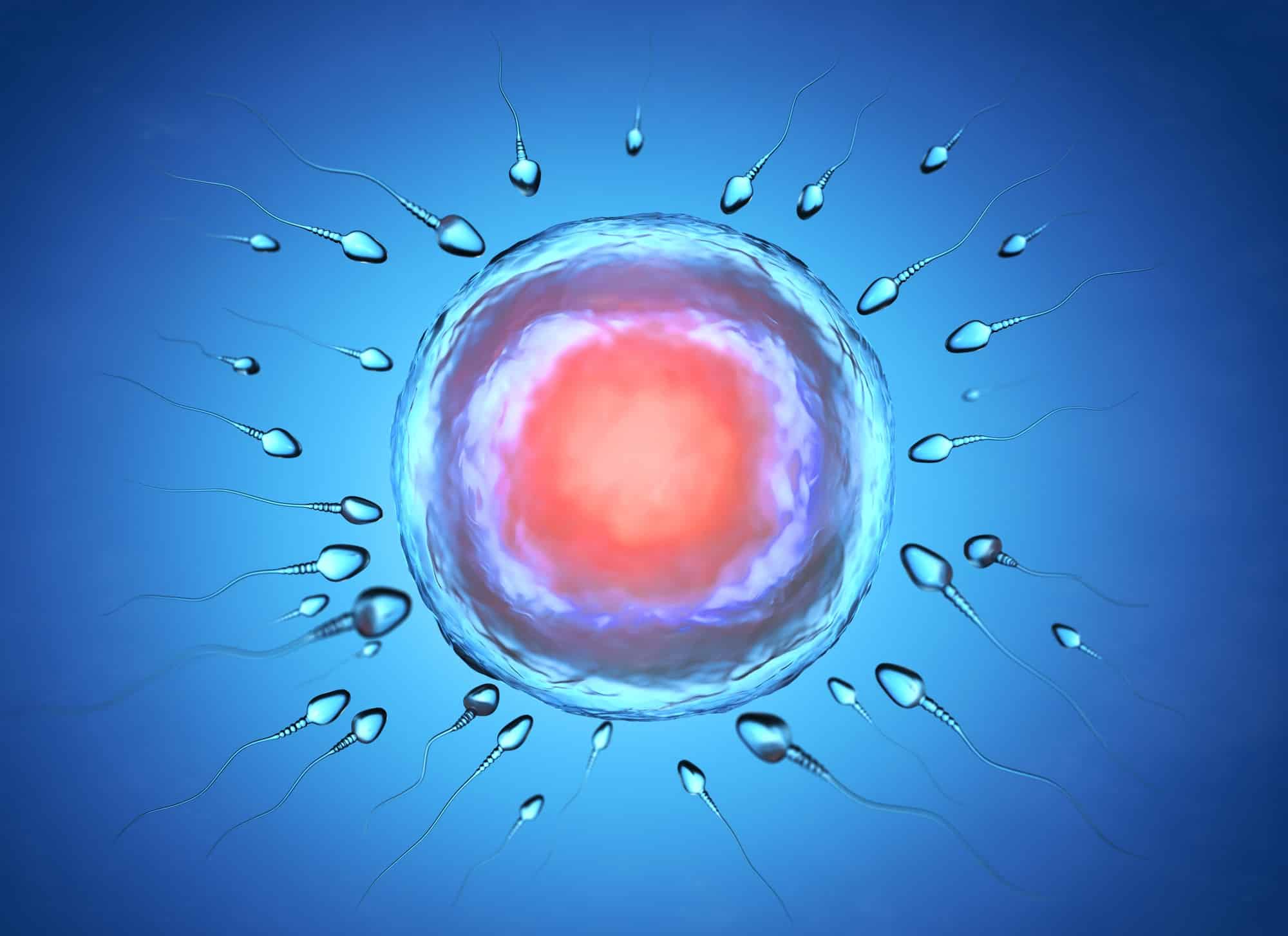
The human male reproductive system produces approximately 1,000 sperm per second, or several million per day , creating an enormous biological challenge for contraception. To prevent pregnancy, male contraceptives must either stop this massive sperm production, block sperm from reaching their destination, or disable sperm function entirely. Let’s explore the fascinating science behind how different male contraceptives accomplish these goals.
Think of male contraception as having three main “battle strategies” against fertility. Novel male contraceptives work by: 1) preventing sperm from reaching the egg using physical barriers, 2) completely inhibiting sperm production (spermatogenesis), or 3) killing sperm or disabling essential sperm functions like motility either before ejaculation or inside the female reproductive tract. Each approach targets different parts of the remarkable journey from sperm creation to fertilization.
To understand how these methods work, we need to first understand the male reproductive system’s basic anatomy and physiology. The process begins in the testicles (also called testes), two oval-shaped organs that hang in the scrotum (the skin sac below the penis). Inside each testicle are thousands of tiny, coiled tubes called seminiferous tubules—think of them as microscopic spaghetti where sperm are born and grow.
Method 1: Stopping Sperm Production at the Source
Hormonal male contraceptives work by suppressing the hormones that control sperm production, specifically follicle-stimulating hormone (FSH) and luteinizing hormone (LH). Here’s how the natural system works: the hypothalamus (a brain region) releases gonadotropin-releasing hormone (GnRH), which tells the pituitary gland (a small gland at the brain’s base) to release FSH and LH. These hormones then travel through the bloodstream to the testicles.
FSH stimulates special cells called Sertoli cells that nurture developing sperm, while LH stimulates Leydig cells to produce testosterone, the primary male hormone. Testosterone is crucial because it creates the high-concentration environment inside testicles needed for sperm production. Spermatogenesis (sperm production) occurs in the seminiferous tubules and takes approximately 74 days from start to finish.
Hormonal contraceptives like dimethandrolone undecanoate (DMAU) work by introducing synthetic hormones that suppress FSH and LH production, simultaneously decreasing testosterone and sperm production without causing symptoms of low testosterone in other parts of the body. Testosterone and progesterone combinations given as injections work by tricking the brain into thinking the body has enough sex hormones, causing it to stop sending signals for natural sperm production.
A revolutionary new approach targets vitamin A’s role in sperm production. YCT-529 blocks retinoic acid receptor alpha (RAR-alpha), a protein essential for sperm development, preventing sperm production without affecting testosterone levels or other male hormones. Retinoic acid (a form of vitamin A) acts like a molecular key that unlocks genetic programs needed to transform stem cells into mature sperm. When this key is blocked, the sperm factory shuts down, but the rest of the male hormonal system continues working normally.
Method 2: Blocking the Sperm Highway
The second approach focuses on sperm transport rather than production. After sperm are created in the testicles, they must travel through a complex series of tubes to reach their destination. The vas deferens are the tubes that carry sperm from the testicles to mix with other fluids during ejaculation. These tubes are like highways that sperm must travel to reach the outside world.
Vasectomy permanently cuts or blocks these tubes through surgery. Newer approaches like RISUG (Reversible Inhibition of Sperm Under Guidance) and ADAM inject special substances into the vas deferens that block sperm flow while potentially remaining reversible. ADAM uses a water-soluble hydrogel that creates a barrier in the vas deferens, blocking sperm transport while allowing other seminal fluids to pass through normally.
This means men still ejaculate the same volume of semen during orgasm, but without sperm present. The sensation, pleasure, and physical experience of sex and orgasm remain completely unchanged because most semen volume comes from the prostate and seminal vesicles, not from sperm themselves. Sperm actually comprise less than 5% of total semen volume.
Method 3: Disabling Sperm Function
The third strategy allows sperm to be produced and transported normally but disables their ability to function properly. This approach targets the specific biological machinery that sperm need to swim effectively and fertilize eggs. The calcium channel of sperm (CatSper) is essential for sperm hyperactivated motility—the powerful, whip-like swimming motion that sperm need to penetrate an egg’s protective barriers.
CatSper channels are located along the principal piece of the sperm tail (flagellum) and control calcium entry into sperm cells, which is necessary for the vigorous swimming movements required for fertilization. Think of calcium as the fuel that powers sperm motors. When CatSper channels are blocked by inhibitors like HC-056456, sperm lose their ability to swim properly and cannot reach or penetrate eggs, even though they appear normal under a microscope.
CatSper channels are activated by the hormone progesterone, which is naturally present in high concentrations near eggs in the female reproductive tract. This creates a sophisticated navigation system where sperm remain relatively inactive until they encounter the chemical signals that indicate they’re close to their target. Plant compounds like pristimerin and lupeol can block this activation, preventing sperm from developing the hyperactivated swimming pattern needed for fertilization.
Another approach targets soluble adenylyl cyclase (sAC), an enzyme that sperm need for proper function. Compounds like TDI-11861 bind and inhibit sAC, causing sperm to lose their ability to move on their own and remain immobile even after being deposited in the female reproductive tract. This creates an “on-demand” contraceptive effect where sperm are temporarily disabled but return to normal function once the compound clears from the system.
The Sperm Journey: Understanding What Needs to be Stopped
To appreciate how these contraceptives work, let’s follow sperm on their remarkable journey. Sperm production begins in seminiferous tubules where stem cells called spermatogonia divide and differentiate into mature sperm through a complex 74-day process requiring precise coordination of hormones, nutrients, and cellular signals.
Once produced, sperm travel to the epididymis, a long coiled tube attached to each testicle where they mature and gain swimming ability. During ejaculation, muscular contractions push sperm through the vas deferens, where they mix with fluids from the prostate gland and seminal vesicles to create semen. This journey involves multiple biological checkpoints that contraceptives can target.
Inside the female reproductive tract, sperm must undergo capacitation—a biochemical change that prepares them for fertilization. They must then navigate through cervical mucus, travel through the uterus, and reach the fallopian tubes where fertilization occurs, all while developing hyperactivated motility to overcome the egg’s protective barriers. Each step presents opportunities for contraceptive intervention.
Why Male Contraception is Scientifically Challenging
The challenge with creating male contraceptives is the enormous rate of sperm production—men produce several million sperm per day, about 1,000 per second, and to prevent pregnancy, essentially all of these need to be stopped from reaching an egg. This is fundamentally different from female contraception, which typically needs to affect one egg per month.
Additionally, many previous attempts at male contraception caused problematic side effects because they disrupted the entire male hormonal system, leading to mood changes, erectile dysfunction, reduced muscle mass, and decreased libido. The breakthrough with newer approaches like YCT-529 and CatSper inhibitors is that they target specific aspects of reproduction without disrupting broader physiological systems.
Reversibility is another crucial factor. Unlike permanent surgical options, ideal male contraceptives should allow men to regain fertility relatively quickly when they decide to father children. This requires understanding how different contraceptive mechanisms affect the complex biological processes involved in sperm production and function, and ensuring these effects can be safely reversed.
The Future of Male Contraceptive Technology
Research continues into innovative approaches that could revolutionize male contraception. Scientists are exploring immunocontraception—vaccines that train the immune system to attack specific sperm proteins like EPPIN (epididymal protease inhibitor) or targeting reproductive hormones like GnRH and FSH. However, these approaches raise concerns about reversibility and potential autoimmune complications.
Other researchers are investigating advanced drug development approaches that target sperm-specific ion channels, enzymes, and transporters that are essential for fertility but not expressed in other body tissues. The goal is creating contraceptives that are highly effective, rapidly reversible, and have minimal side effects because they don’t interfere with other biological systems.
Understanding how male contraceptives work helps couples make informed decisions about family planning and reproductive health. As these technologies advance toward market availability, they promise to provide men with contraceptive options comparable to those available to women, promoting equitable sharing of contraceptive responsibility in relationships. The science behind male contraception represents not just technological innovation, but a deeper understanding of human reproductive biology and the complex systems that govern fertility.
The diversity of mechanisms being researched—from hormonal suppression to mechanical blockage to molecular disruption—reflects the sophisticated challenge of safely and reversibly controlling male fertility. Each approach offers different advantages and potential applications, suggesting that future male contraceptive options may be as varied as current female methods, allowing couples to choose the approach that best fits their lifestyle, preferences, and health considerations.
These advances in understanding male reproductive biology also contribute to scientific literature on human sexuality and STEM education programs that train the next generation of researchers and healthcare providers who will continue advancing reproductive health technologies.
This educational overview is based on peer-reviewed research published in journals including Nature Communications, PNAS, Human Reproduction, and Reproductive Biology and Endocrinology, covering contraceptive mechanisms, sperm physiology, and clinical trial data from 2020-2025. Anatomical descriptions follow standard medical terminology and are intended for educational purposes.
Key Takeaways
- Male contraceptives work through three main strategies: stopping sperm production in testicles, blocking sperm transport through vas deferens, or disabling sperm swimming ability.
- Hormonal methods suppress brain signals that control sperm production, while newer approaches like YCT-529 target vitamin A pathways specifically in testicles.
- CatSper calcium channels control sperm swimming ability and represent promising targets for reversible, on-demand contraception without affecting other body systems.
Keep Reading
- The Secret Life of Swimming Sperm: How Calcium Channels Control Fertilization – Discover the molecular motors that power sperm movement and why blocking them prevents pregnancy safely
- Understanding Male Hormone Cycles: FSH, LH, and Testosterone in Fertility Control – Learn how brain-testicle communication works and why disrupting it stops sperm production temporarily
- The Sperm Highway: How Blocking Vas Deferens Prevents Pregnancy – Understand sperm transport anatomy and why blocking tubes doesn’t affect sensation or hormones
- The Science of Reversible Male Contraception: Recovery Timelines and Fertility Return – Explore how different contraceptive methods affect fertility recovery and what men can expect when stopping treatment