

Sexual wellness products face complex international regulations spanning medical device approval, advertising restrictions, and safety standards, with requirements varying significantly



Researchers at Albert Einstein College of Medicine and Montefiore Medical Center sifted through 1,001 studies spanning 60 years to discover a shocking truth: while birth control clearly changes women’s brains, scientists still cannot tell us what those changes actually mean for our lives. These findings reveal that widely-used medications still have major knowledge gaps about fundamental effects.

Emotional connection rituals are repeatable practices that couples use to stay close despite busy schedules. Small actions—like daily check-ins, appreciations, or shared meals—take under 15 minutes but build intimacy, reduce stress, and strengthen long-term bonds.

Many couples struggle with emotional labor—unseen planning, organizing, and anticipating needs. This guide offers negotiation scripts, check-ins, and repair strategies to divide responsibilities fairly, reduce resentment, and strengthen teamwork.
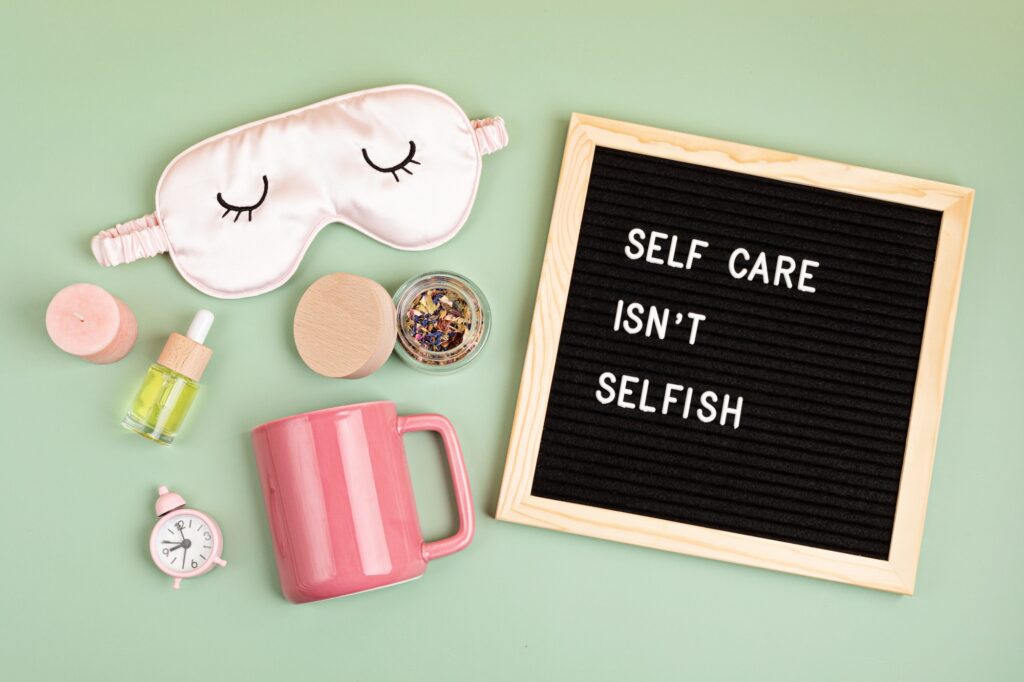
Realistic 10-minute self care rituals that restore energy, ease resentment, and nurture intimacy. Small, repeatable practices that fit chaotic schedules and help couples reconnect.

Parenting roles reshape intimacy dynamics by shifting focus from couplehood to caregiving. This affects communication, romance, and identity but can be navigated with balance, self-care, and therapy.

New research reveals that hormonal birth control affects women so differently that average studies hide serious side effects, calling for personalized approaches to contraception based on individual factors.